Brewer’s spent grain (BSG), the primary byproduct of the beer brewing process, has traditionally been viewed as waste or relegated to low-value applications such as animal feed. However, innovative approaches are transforming BSG into a valuable resource, leading to the creation of sustainable products like vegan barley milk, leather alternatives, and various food items. This article delves into these advancements, highlighting the environmental and economic benefits of upcycling BSG.
The Brewing Process and Generation of Spent Grain
The brewing process begins with malting, where barley grains are soaked, germinated, and dried. These malted grains are then mashed to extract fermentable sugars, resulting in a liquid called wort. The solid residue left after wort extraction is known as brewer’s spent grain. Comprising mainly grain husks, pericarp, and fragments of endosperm, BSG is rich in fiber, protein, and other nutrients. It is estimated that BSG accounts for up to 85% of brewing waste, with approximately 20 billion pounds produced annually in the United States alone.
Traditional Uses of Brewer’s Spent Grain
Historically, BSG has been utilized in several ways:
- Animal Feed: Due to its high protein content, BSG has been commonly used as feed for livestock, particularly cattle. Its nutritional profile supports milk production and overall animal health.
- Fertilizer: The nitrogen-rich composition of BSG makes it suitable as a soil amendment, enhancing soil fertility and promoting plant growth.
- Energy Production: BSG can be used in anaerobic digestion processes to produce biogas, a renewable energy source.
While these applications provide some value, they do not fully capitalize on the potential of BSG, leading researchers and entrepreneurs to explore more innovative and sustainable uses.
Innovative Upcycling of Brewer’s Spent Grain
Recent developments have focused on transforming BSG into high-value products, contributing to sustainability and waste reduction efforts.
1. Vegan Barley Milk
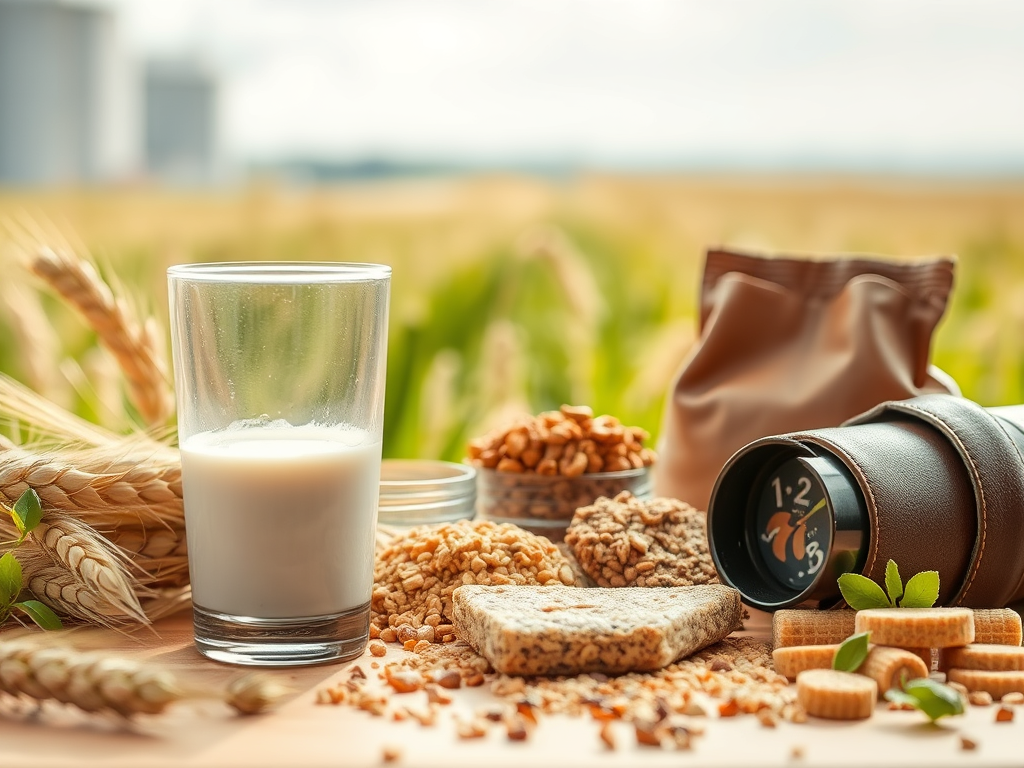
Companies are developing plant-based milk alternatives using BSG. By processing the spent grain, they extract proteins and fibers to create nutritious and sustainable barley milk, catering to the growing demand for vegan products. Unlike traditional dairy, barley milk requires significantly less water and land to produce, making it an eco-friendly alternative.
2. Leather Alternatives
Innovators are exploring the use of BSG in creating sustainable leather-like materials. By combining spent grain with other natural fibers and binding agents, they produce durable and eco-friendly alternatives to traditional leather. This innovation reduces reliance on animal-derived leather and synthetic alternatives that contribute to plastic pollution.
3. Food Products
BSG’s rich nutritional profile makes it an excellent ingredient for various food items. It is being incorporated into baked goods like bread, cookies, and crackers, enhancing their fiber and protein content. Additionally, companies like EverGrain™ have developed processes to extract high-quality protein isolates from BSG, which are then used in products such as protein shakes and energy bars.
4. Nutritional Supplements
Given its high fiber and protein content, BSG is increasingly being used in nutritional supplements and functional foods. Scientists are researching ways to fortify BSG with probiotics and vitamins to enhance its health benefits. This could pave the way for BSG-based meal replacements or health-focused snacks.
5. Sustainable Packaging
Researchers are also experimenting with using BSG to create biodegradable packaging materials. Given the urgent need to reduce plastic waste, BSG-derived packaging could serve as a viable alternative to traditional plastic wraps and containers, helping to curb environmental pollution.
Environmental and Economic Benefits
Upcycling BSG offers several advantages:
- Waste Reduction: Transforming BSG into valuable products reduces the amount of waste sent to landfills, mitigating environmental impact.
- Resource Efficiency: Utilizing BSG maximizes the value extracted from the original barley grains, promoting a more efficient use of resources.
- Economic Opportunities: Developing new products from BSG opens additional revenue streams for breweries and associated industries, fostering economic growth.
- Reduced Carbon Footprint: By repurposing BSG instead of letting it decompose, methane emissions from organic waste can be significantly reduced.
Challenges and Future Directions
Despite the promising developments, challenges remain in scaling up these innovations. Ensuring consistent quality and supply of BSG, developing cost-effective processing methods, and achieving consumer acceptance are critical factors for success. Collaborations between breweries, researchers, and entrepreneurs are essential to overcome these hurdles and fully realize the potential of BSG upcycling.
Future research aims to enhance extraction techniques, allowing for a more refined separation of proteins, fibers, and other nutrients from BSG. Advances in biotechnology may further improve the efficiency of BSG transformation into high-value ingredients, making it an even more attractive resource.
A Circular Economy Approach
The repurposing of BSG aligns with the principles of a circular economy, where waste is minimized, and resources are continuously reused. Breweries adopting sustainable practices can not only reduce their environmental impact but also contribute to a more sustainable food and materials industry. This shift is increasingly important as consumers demand more environmentally responsible products and businesses seek innovative ways to remain competitive.
Conclusion
The transformation of brewer’s spent grain into products like vegan barley milk, leather alternatives, and nutritious food items exemplifies a shift towards sustainable and circular practices in the brewing industry. By embracing these innovations, we can reduce waste, create valuable products, and contribute to environmental sustainability.
For a more in-depth exploration of this topic, you can refer to the related article on the BBC Future website: How Brewer’s Spent Grain is Being Turned into Vegan Barley Milk, Leather, and Cakes.
We encourage you to share your thoughts and insights on this topic. Please leave a comment below and follow our page for more articles on sustainable innovations.
 Tech and Tofu
Leave a comment