-

The Hidden Dangers of Microplastics in Food Packaging
Microplastics are released from everyday items like disposable cups, posing health risks such as inflammation and toxicity. Studies show significant shedding of particles during use, particularly when heated. Experts recommend alternatives like glass and stainless steel, urging consumers to avoid plastic to reduce exposure and mitigate environmental damage.
-

Sodium in a Plant-Based Diet: Finding the Right Balance
Sodium is a crucial mineral for fluid balance, nerve function, and muscle contraction, yet it receives less attention in plant-based diets. While these diets typically have lower sodium, excessive intake from processed foods poses health risks. Balancing sodium is essential; individuals should prioritize whole foods while being mindful of sodium…
-
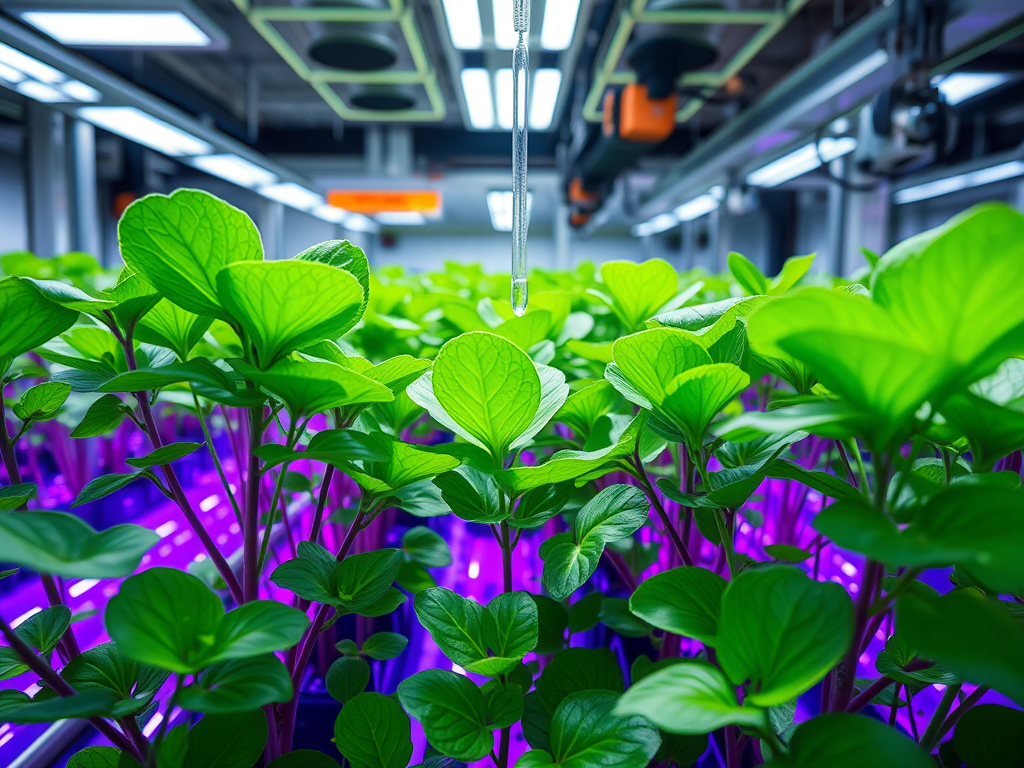
Tiamat Sciences: Growing the Future of Biotech in Plants
Tiamat Sciences, a biotech company founded in 2019, aims to transform plant molecular farming by producing recombinant proteins cost-effectively. Utilizing plants as biofactories, they offer faster, cheaper, and sustainable alternatives to traditional methods. Their innovations, including mRNA enzyme production and strategic partnerships, position Tiamat as a leader in affordable biomanufacturing…
-

Japanese Scientists Develop Dissolvable Plastic: A Breakthrough Solution
A Japanese team has developed a groundbreaking plastic-like material that dissolves completely in seawater within 2-3 hours, leaving no microplastics or toxins. This innovation could significantly impact environmental sustainability, mimicking traditional plastic’s strength while offering rapid degradation. The research addresses the urgent need to combat plastic pollution effectively.
-

Unlocking the Power of Trace Minerals in Plant-Based Diets
Plant-based diets offer numerous health benefits but often overlook essential trace minerals, which are critical for metabolism, immunity, and overall health. The “Trace Squad,” including zinc, selenium, iodine, iron, copper, manganese, and chromium, highlights minerals vital for plant-based eaters. Soil quality affects mineral absorption, making awareness and potential supplementation crucial.
-
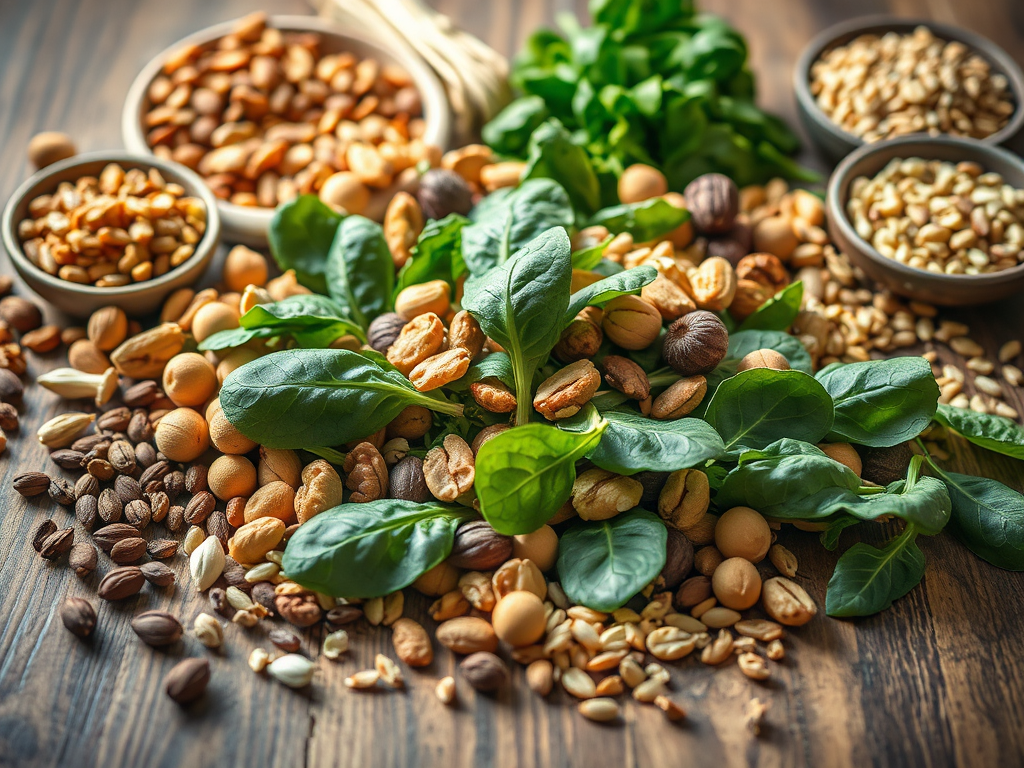
Magnesium in a Plant-Based Diet: A Vital Mineral for Optimal Health
Magnesium is vital for human health, essential for numerous bodily functions including energy production, nerve function, and bone health. Many people, especially those on plant-based diets, may face deficiencies. This guide highlights magnesium-rich plant sources, daily requirements, absorption factors, and the potential need for supplementation to maintain optimal health.
-

Whole-Food vs. Soil Quality: How the Ground Beneath Your Plants Shapes Your Nutrition
Whole-food diets focus on unprocessed, plant-based nutrition, but soil quality greatly impacts food nutrient density. Modern agricultural practices lead to soil depletion, reducing essential minerals in crops. This is particularly concerning for plant-based eaters. Emphasizing regenerative farming, diversifying food sources, and using supplements can help enhance nutrient intake.
-

Revolutionizing Butter: Savor’s Carbon-Based Innovation
Savor, a food tech company, is creating a cow-free butter alternative using a thermochemical process that synthesizes fats from carbon dioxide, hydrogen, and methane. Launched in 2022, its innovative product offers sustainability, supply chain security, and health benefits while mimicking traditional fats. Challenges include scaling, regulation, and consumer acceptance.
-

MetaTexture’s SweetEgg: The Future of Vegan Eggs
MetaTexture offers a plant-based egg alternative, SweetEgg, addressing concerns with conventional egg production, such as cost volatility, health risks, and animal welfare. Made from mung beans, pumpkin, and soy, SweetEgg replicates texture and taste while being cholesterol-free and environmentally friendly. Future plans include expanding product formats and partnerships in the…
-
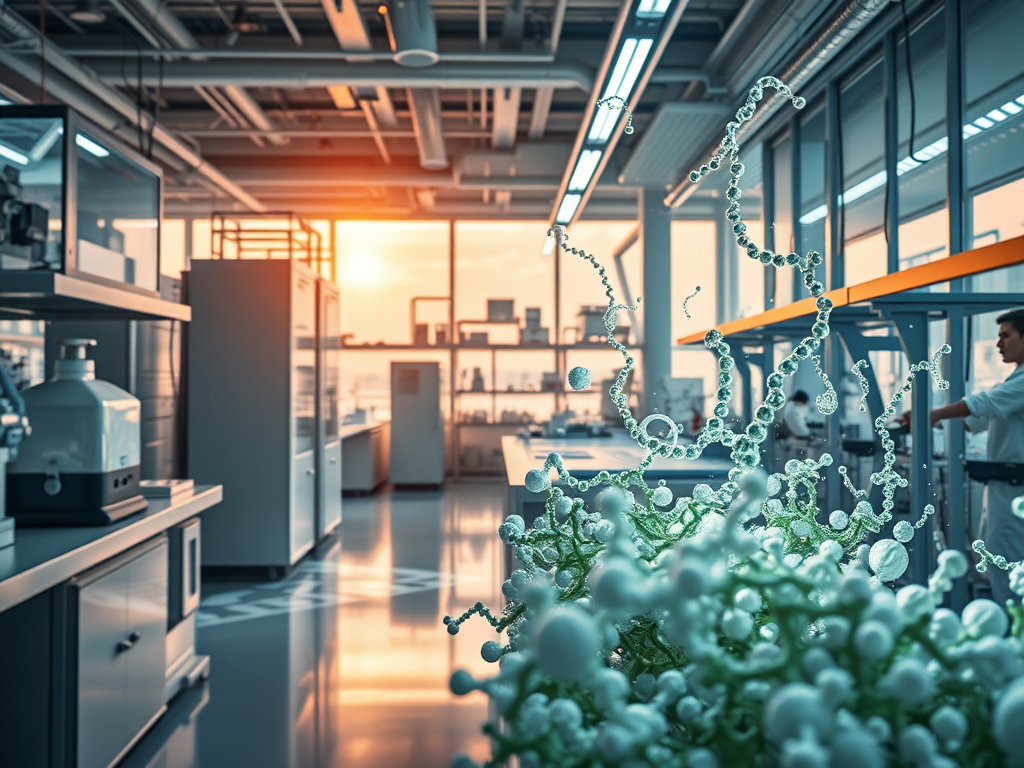
Samsara Eco: Engineering Infinite Recycling with AI‑Designed Enzymes
Samsara Eco, an Australian biotech start-up, is revolutionizing recycling by employing AI-driven enzyme technology to depolymerize plastics and textiles into their original monomers. This “infinite recycling” process aims to eliminate waste while enabling the creation of new materials identical to virgin sources, addressing challenges in recycling efficiency, quality, and sustainability.
 Tech and Tofu