Introduction
The global food industry faces mounting challenges related to sustainability, resource scarcity, and environmental impact. Cocoa production, in particular, is under scrutiny due to deforestation, climate change vulnerabilities, and ethical concerns surrounding labor practices. In response, innovative companies are seeking alternative solutions that maintain the taste and functionality of cocoa while reducing ecological harm. One such company, Cellva Ingredients, has developed a groundbreaking cocoa alternative derived from coffee husks using proprietary microencapsulation technology.
This article explores the idea behind this innovation, the science and process involved, and the potential future applications of this cocoa substitute.
The Idea Behind Cellva’s Cocoa Alternative
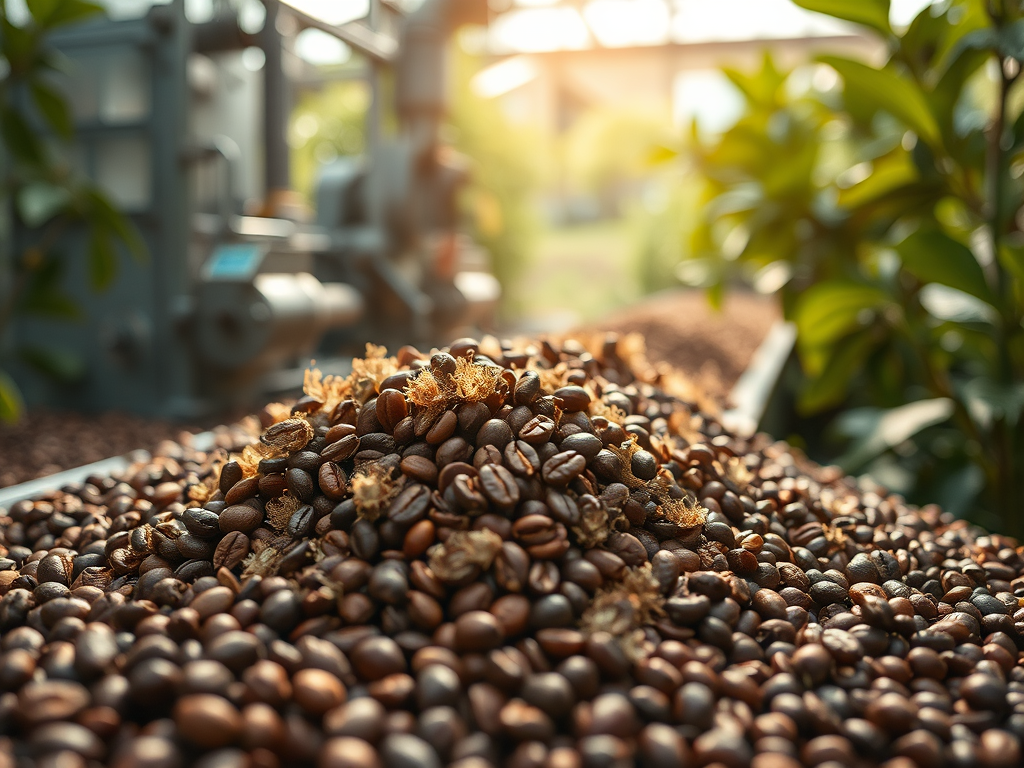
Cellva Ingredients, a Brazilian biotech startup, focuses on sustainable food solutions by upcycling agricultural byproducts. Coffee husks, which include parchment and silver skin layers surrounding coffee beans, are a major waste product of coffee production. Historically, these husks have been discarded or used in low-value applications such as compost or animal feed. However, Cellva recognized their potential as a source of bioactive compounds that could be transformed into a cocoa alternative.
Given the flavor similarities between coffee and cocoa, Cellva identified an opportunity to create a product that mimics cocoa’s sensory properties. The key was to extract and enhance the right compounds from coffee husks to achieve the desired taste, texture, and functionality. This approach not only addresses food industry sustainability concerns but also offers a cost-effective alternative to traditional cocoa.
The Microencapsulation Process
The key to Cellva’s success lies in its proprietary microencapsulation technology, which allows for the effective transformation of coffee husks into a cocoa alternative. Microencapsulation is a process that protects and stabilizes bioactive compounds by enclosing them in a protective shell. This enhances the ingredient’s stability, solubility, and usability in food formulations.
Steps in the Microencapsulation Process:
- Raw Material Sourcing: Coffee husks are collected from coffee processing facilities, ensuring that this byproduct is repurposed rather than discarded.
- Bioactive Compound Extraction: The husks undergo an extraction process that isolates key compounds responsible for cocoa-like flavors and functionalities.
- Encapsulation: Using proprietary microencapsulation techniques, the extracted compounds are enclosed in a matrix that stabilizes their properties, preventing degradation and enhancing usability.
- Drying and Processing: The encapsulated material is then dried into a powder form, making it easy to integrate into food products.
- Testing and Quality Control: The final product undergoes rigorous testing to ensure consistency in flavor, texture, and functional properties.
Microencapsulation ensures that the coffee-derived cocoa alternative retains its sensory appeal and behaves similarly to cocoa in different food applications. This makes it viable for use in chocolates, baked goods, and confectionery items.
Benefits of Cellva’s Cocoa Alternative
Cellva’s innovation presents several key advantages:
1. Sustainability and Waste Reduction
- By upcycling coffee husks, Cellva reduces agricultural waste and promotes a circular economy.
- This innovation lessens reliance on traditional cocoa farming, which often contributes to deforestation and habitat destruction.
2. Economic Benefits
- Cocoa prices have been volatile due to climate-related challenges and increasing demand. Cellva’s alternative provides a cost-stable solution for food manufacturers.
- The company estimates that adopting this alternative could generate annual savings of approximately $435 million for the food industry.
3. Ethical Considerations
- Cocoa production is often associated with labor exploitation and child labor issues, particularly in West African countries. By offering a viable alternative, Cellva helps reduce dependence on problematic supply chains.
4. Versatility in Food Applications
- The encapsulated coffee-derived ingredient can be used in a variety of products, from chocolate bars to bakery items.
- It provides a familiar cocoa-like taste while allowing for innovative formulations that cater to different dietary preferences.
Future Possibilities and Industry Impact
Cellva’s cocoa alternative marks the beginning of a larger shift toward sustainable food ingredients. As food manufacturers seek more eco-friendly and ethically sourced components, innovations like this are expected to gain traction.
1. Expansion Beyond Coffee Husks
- The success of this product may lead to research into other agricultural byproducts that could serve as functional food ingredients.
- Similar encapsulation techniques could be applied to other waste materials from the tea, fruit, or nut industries.
2. Integration into Large-Scale Food Production
- As demand for sustainable alternatives grows, major chocolate and confectionery brands may adopt this ingredient in their product lines.
- Large food corporations are increasingly seeking alternatives to traditional cocoa due to environmental, economic, and social concerns.
3. Customization for Different Markets
- Microencapsulation technology allows for customization, meaning Cellva’s cocoa alternative could be tailored to meet specific flavor profiles and application requirements for different global markets.
- Sugar-free, high-fiber, or protein-enriched versions could be developed to cater to diverse consumer needs.
4. Collaboration with Sustainable Certification Bodies
- Cellva could partner with sustainability organizations to certify their cocoa alternative as an environmentally friendly option.
- Certifications such as Fair Trade or Rainforest Alliance could enhance credibility and market acceptance.
Conclusion
Cellva Ingredients’ innovative cocoa alternative, derived from coffee husks, represents a significant step forward in sustainable food production. Through proprietary microencapsulation technology, the company has transformed an agricultural byproduct into a functional ingredient that mimics cocoa in taste and performance. This breakthrough addresses key sustainability challenges while offering economic and ethical benefits for the food industry.
As global cocoa demand continues to rise and sustainability concerns persist, alternatives like Cellva’s coffee-based cocoa substitute will likely play a crucial role in the future of food innovation. By leveraging cutting-edge food science and circular economy principles, Cellva Ingredients is not only reducing waste but also reshaping the way we think about food production and sustainability.
Related Sources:
 Tech and Tofu
Leave a comment