Fats are a vital macronutrient that provide energy, support cell growth, protect organs, and help the body absorb essential vitamins. For individuals following a plant-based diet, understanding the sources, types, and benefits of fats is crucial to maintaining overall health and well-being. This article explores the role of fats, how to ensure adequate intake on a plant-based diet, and which fats to prioritize or avoid.
The Role of Fats in the Body
Fats serve several critical functions, making them indispensable in any diet, including plant-based ones:
- Energy Source:
- Fats are the most energy-dense macronutrient, providing 9 calories per gram—more than double the energy provided by carbohydrates or proteins. This makes fats an efficient source of long-term energy and essential for individuals with high energy demands.
- Nutrient Absorption:
- Certain vitamins, including A, D, E, and K, are fat-soluble, meaning they require fats for absorption. Without sufficient fats, these vital nutrients cannot be effectively utilized by the body, potentially leading to deficiencies.
- Cell Structure:
- Fats are integral to the structure of cell membranes, providing stability and fluidity. They help regulate the entry and exit of substances within cells, contributing to overall cellular health and function.
- Brain Health:
- The brain is composed largely of fats, making healthy fats essential for cognitive function, memory, and emotional well-being. Omega-3 fatty acids, in particular, have been linked to improved mental clarity and reduced risk of neurodegenerative diseases.
- Hormone Production:
- Fats are necessary for producing hormones like estrogen, testosterone, and cortisol, which regulate numerous bodily processes, including stress response, reproductive health, and metabolism.
- Inflammation Control:
- Certain fats, like omega-3 fatty acids, possess anti-inflammatory properties that can support heart health, reduce joint pain, and mitigate symptoms of chronic diseases.
Types of Fats: The Good, The Bad, and The Ugly
Understanding the different types of fats is essential to optimizing health on a plant-based diet. Here’s a closer look:
Healthy Fats to Include in a Plant-Based Diet
- Unsaturated Fats:
- These are the healthiest fats and come in two forms:
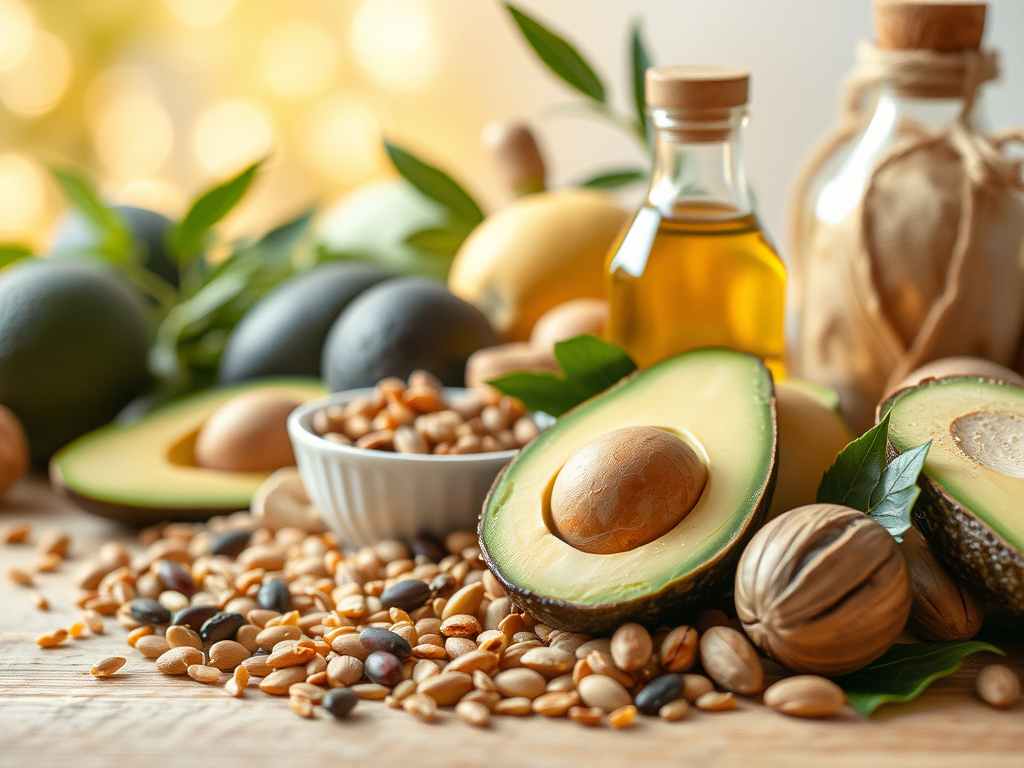
- Monounsaturated Fats (MUFA): Found in avocados, nuts (almonds, cashews, pecans), and olive oil, MUFAs can improve heart health by reducing LDL (bad cholesterol) and increasing HDL (good cholesterol). They also help stabilize blood sugar levels, making them beneficial for individuals with diabetes.
- Polyunsaturated Fats (PUFA): These include omega-3 and omega-6 fatty acids, which are essential fats the body cannot produce on its own.
- Omega-3s: Critical for brain function, reducing inflammation, and maintaining heart health. Plant-based sources include chia seeds, flaxseeds, hemp seeds, walnuts, and algae-based supplements.
- Omega-6s: Support brain function, skin health, and hair growth. Found in sunflower seeds, sesame seeds, and vegetable oils like safflower or sunflower oil. However, excessive omega-6 intake without sufficient omega-3s can lead to inflammation.
- These are the healthiest fats and come in two forms:
- Omega-3 Fatty Acids:
- Omega-3s are a group of essential fats that include ALA (alpha-linolenic acid), DHA (docosahexaenoic acid), and EPA (eicosapentaenoic acid). While ALA is abundant in plant-based sources, DHA and EPA are less common and are typically obtained from algae oil in vegan diets. Omega-3s have been shown to improve cardiovascular health, reduce the risk of depression, and support prenatal development.
- Plant-Based Oils:
- Healthy oils, such as extra virgin olive oil, flaxseed oil, and avocado oil, provide concentrated sources of unsaturated fats and can enhance the flavor and nutritional value of meals. These oils also contain antioxidants that support overall health.
- Phytosterols:
- Naturally occurring compounds found in plant oils, nuts, and seeds, phytosterols help lower LDL cholesterol levels. Including foods rich in phytosterols can further enhance heart health on a plant-based diet.
Fats to Limit or Avoid
- Saturated Fats:
- Found in higher quantities in plant-based sources like coconut oil and palm oil. While small amounts can be included in a healthy diet, excessive consumption may increase LDL cholesterol levels, which is associated with heart disease. It’s advisable to use these oils sparingly.
- Trans Fats:
- These artificially created fats, found in hydrogenated oils and processed foods, are the most harmful to health. Trans fats increase LDL cholesterol and lower HDL cholesterol, significantly raising the risk of heart disease, obesity, and inflammation.
- Avoidance Tip: Always check ingredient labels for “partially hydrogenated oils,” a common source of trans fats in processed foods. These fats are banned in many countries but may still be present in some products.
- These artificially created fats, found in hydrogenated oils and processed foods, are the most harmful to health. Trans fats increase LDL cholesterol and lower HDL cholesterol, significantly raising the risk of heart disease, obesity, and inflammation.
How to Get Enough Fats on a Plant-Based Diet
Ensuring adequate fat intake on a plant-based diet is simple with a focus on whole, nutrient-dense foods. Here are practical tips:
- Incorporate Whole Foods:
- Include seeds (flax, chia, hemp), nuts (almonds, walnuts, cashews), and avocados in daily meals. These foods are not only rich in healthy fats but also provide fiber, protein, and essential vitamins and minerals. For example, adding a tablespoon of ground flaxseeds to oatmeal or smoothies can significantly boost omega-3 intake.
- Use Plant Oils Wisely:
- Drizzle extra virgin olive oil or flaxseed oil over salads, roasted vegetables, or whole-grain dishes to enhance flavor and boost fat intake. Flaxseed oil, in particular, is an excellent source of ALA, a type of omega-3 fatty acid.
- Opt for Fortified Products:
- Choose plant-based milk and other fortified foods that include added omega-3s to ensure balanced nutrient intake. Many almond, soy, and oat milks are now fortified with DHA, making them convenient sources of essential fats.
- Snack Smart:
- Spread almond butter or tahini on whole-grain toast, or enjoy a handful of mixed nuts and seeds as a nutrient-rich snack. Snacks like these are easy to prepare and provide a balanced mix of fats, proteins, and fiber.
- Consider Supplements:
- If dietary sources of omega-3s are insufficient, consider algae-based DHA and EPA supplements, which are suitable for vegans and vegetarians. These supplements provide a direct source of omega-3s, particularly beneficial for brain and heart health.
- Cook with the Right Oils:
- When cooking, choose oils with high smoke points, like avocado oil, to preserve their nutritional value. Use oils like sesame oil for flavoring and olive oil for low-heat cooking or dressings.
Importance of Fat Ratios: Omega-3 to Omega-6
A balanced ratio of omega-3 to omega-6 fats is vital for optimal health. An excess of omega-6 fats relative to omega-3s can promote inflammation, which is linked to chronic diseases such as arthritis, cardiovascular conditions, and autoimmune disorders. Research suggests that the typical Western diet’s omega-6 to omega-3 ratio of 15:1 or higher is far from ideal. To achieve a healthier ratio close to 1:1 or 1:4, focus on:
- Prioritizing omega-3-rich foods like chia seeds, flaxseeds, and walnuts.
- Limiting omega-6-rich vegetable oils such as sunflower, corn, and soybean oils.
- Incorporating balanced sources like hemp seeds, which provide a good mix of omega-3 and omega-6 fatty acids.
Common Misconceptions About Fats in Plant-Based Diets
- Myth: Plant-Based Diets Lack Fats:
- While animal products are often considered primary fat sources, plant-based diets offer a wide variety of healthy fat-rich foods, from avocados to nuts and seeds. With careful planning, it’s entirely possible to meet fat requirements on a plant-based diet.
- Myth: All Saturated Fats Are Bad:
- Not all saturated fats are harmful, and small amounts from sources like coconut oil can be included in a balanced diet. The key is moderation and ensuring that the majority of fats come from unsaturated sources.
- Myth: Supplements Are Always Necessary:
- While algae-based omega-3 supplements are beneficial for those not consuming enough DHA and EPA, many individuals can meet their fat needs through a well-planned diet alone.
- Myth: Oils Are Unhealthy:
- While whole food sources of fat are ideal, high-quality oils like extra virgin olive oil and flaxseed oil provide concentrated nutrients and antioxidants. When used in moderation, they can be a valuable addition to a plant-based diet.
Relevant Studies and Research
- Fats and Heart Health:
- Harvard T.H. Chan School of Public Health discusses the benefits of unsaturated fats for reducing heart disease risk. Read more
- Omega-3s in Plant-Based Diets:
- A study in Nutrients (2019) explores plant-based sources of omega-3 fatty acids and their health benefits. Read the study
- Impact of Trans Fats:
- Research published in the American Journal of Clinical Nutrition highlights the adverse effects of trans fats on cardiovascular health. Access study
- Omega-3 to Omega-6 Ratio:
- A paper in Biomedicine & Pharmacotherapy (2018) discusses the significance of maintaining a balanced omega-3 to omega-6 ratio for reducing inflammation. View article
- Plant-Based Oils and Heart Health:
- A review in the Journal of the American College of Cardiology highlights the benefits of olive oil and other plant-based fats for reducing heart disease risk. Read review
- Cognitive Benefits of Omega-3s:
- A study in Frontiers in Aging Neuroscience (2020) explores the impact of omega-3 supplementation on brain health and cognitive aging. Access article
Conclusion
Fats are an essential component of a healthy plant-based diet. By focusing on whole food sources of unsaturated fats, maintaining a balanced omega-3 to omega-6 ratio, and avoiding trans fats, individuals can enjoy the health benefits of fats while supporting sustainable and ethical dietary choices. With a well-planned approach, a plant-based diet can provide all the fats necessary for optimal health, brain function, and overall vitality.
Join the Conversation
Let us know your thoughts and experiences in the comments below!
 Tech and Tofu
Leave a comment