In the evolving landscape of sustainable food production, Tokyo-based startup Kinish Inc. has emerged as a trailblazer by pioneering the development of rice-based casein, a key protein traditionally sourced from dairy milk. This innovative approach not only offers a viable alternative to animal-derived dairy products but also addresses pressing environmental concerns associated with conventional dairy farming.
Company Overview
Founded in 2023, Kinish Inc. is a food technology company specializing in plant molecular farming to create sustainable dairy alternatives. By leveraging advanced biotechnology, Kinish has developed a unique variety of rice capable of producing milk proteins, positioning itself at the forefront of the alternative dairy industry. The company’s mission is to revolutionize food production by offering eco-friendly alternatives that do not compromise on taste or quality.
The Innovation: Rice-Based Casein Production
Casein, a protein constituting about 80% of the proteins in cow’s milk, is essential for the texture and functionality of dairy products like cheese and yogurt. Traditional extraction of casein involves dairy farming, which has significant environmental impacts, including greenhouse gas emissions, land use, and water consumption. Kinish’s groundbreaking approach involves producing casein directly from rice plants, thereby eliminating the need for animal agriculture.
The Production Process
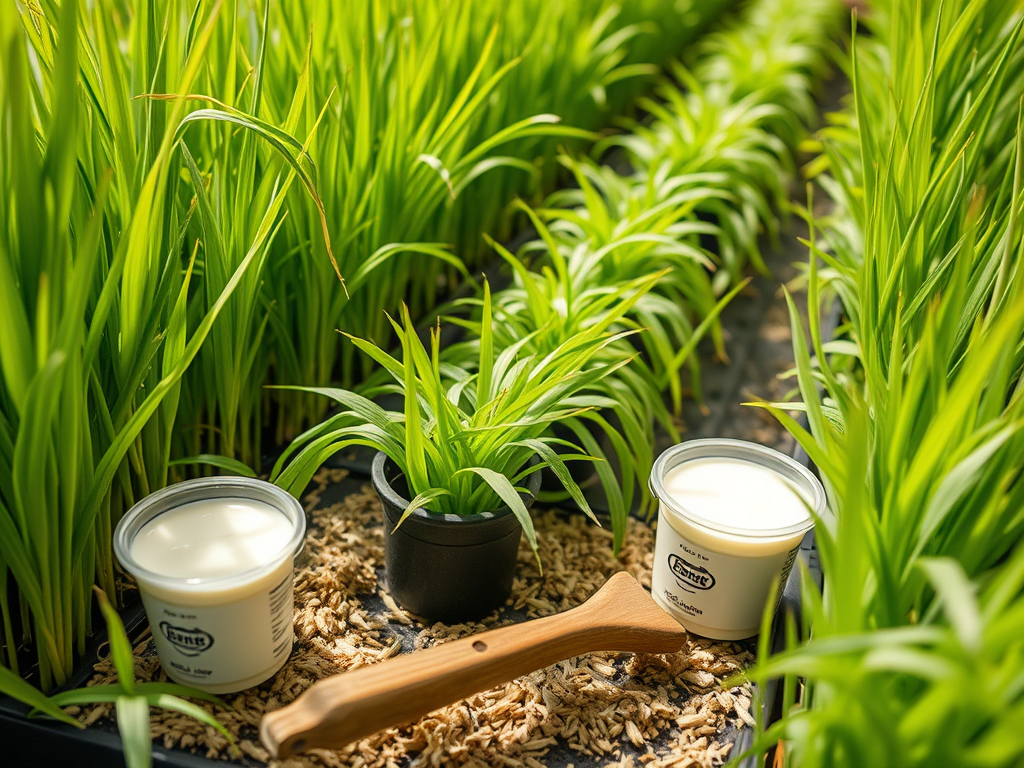
Kinish employs plant molecular farming techniques to cultivate a special variety of dwarf rice, approximately 20 centimeters tall, genetically engineered to produce milk proteins. These rice plants are grown in controlled environments using vertical farming methods, which optimize space and resources. The cultivation process involves the following steps:
- Genetic Engineering: The rice plants are genetically modified to express genes responsible for the production of casein proteins.
- Cultivation: The engineered rice is cultivated in vertical farms, allowing for year-round production and efficient use of space.
- Harvesting: Once mature, the rice grains are harvested and processed to extract the milk proteins.
- Protein Extraction and Purification: Advanced extraction methods are employed to isolate and purify the casein proteins from the rice, ensuring they meet the required standards for food production.
This method not only reduces the environmental footprint associated with dairy production but also offers a scalable solution to meet the growing demand for dairy alternatives.
Product Portfolio
Utilizing rice-derived casein, Kinish has developed a range of dairy alternative products that closely mimic the taste and texture of traditional dairy. These include:
- Plant-Based Milk: A creamy beverage that replicates the mouthfeel and flavor of cow’s milk, suitable for direct consumption or use in cooking and baking.
- Ice Cream: A rich and flavorful dessert made using fermented rice syrup, offering a plant-based indulgence without compromising on taste.
- Cheese Alternatives: Products that melt and stretch like traditional cheese, made possible by the functional properties of rice-derived casein.
These products aim to provide consumers with familiar dairy experiences while adhering to plant-based and sustainable principles.
Collaborations and Partnerships
Kinish recognizes the importance of collaboration in accelerating innovation and market adoption. In line with this, the company has engaged in several strategic partnerships:
- JETRO and KitchenTown Partnership: Kinish participated in the J-StarX Food Frontiers program, a collaborative initiative between the Japan External Trade Organization (JETRO) and KitchenTown. This program supports Japanese food tech startups in scaling their innovations and entering new markets. Through this partnership, Kinish has gained access to resources, mentorship, and networks essential for growth and expansion.
- Union Kitchen Accelerator: Kinish has been featured in Union Kitchen’s Startup Stories, highlighting its journey and innovations in the plant-based dairy sector. This exposure has provided Kinish with valuable insights and connections within the food and beverage industry, fostering opportunities for collaboration and market penetration.
Funding and Expansion Plans
In a significant milestone, Kinish secured $800 million in a seed funding round aimed at scaling its rice-based casein production. This substantial investment reflects confidence in Kinish’s innovative approach and its potential to disrupt the traditional dairy industry. The funds are earmarked for:
- Scaling Production: Expanding the capacity of vertical farming facilities to meet increasing demand.
- Research and Development: Enhancing the efficiency of protein extraction processes and developing new product lines.
- Market Expansion: Entering new geographic markets and broadening the consumer base for rice-based dairy alternatives.
This infusion of capital positions Kinish to make significant strides in the alternative dairy sector, offering sustainable and delicious options to consumers worldwide.
Environmental and Societal Impact
Kinish’s innovative approach addresses several critical issues:
- Environmental Sustainability: By producing casein from rice, Kinish reduces reliance on livestock farming, thereby decreasing greenhouse gas emissions, land use, and water consumption associated with traditional dairy production.
- Food Security: Utilizing rice, a widely cultivated staple, Kinish’s technology offers a scalable solution that can be adapted in various regions, contributing to global food security.
- Consumer Health: Providing plant-based dairy alternatives caters to consumers seeking to reduce animal product consumption for health reasons, offering options free from cholesterol and lactose.
Challenges and Future Outlook
While Kinish’s innovations are promising, the company faces challenges typical of emerging food technologies:
- Regulatory Approvals: Navigating the complex landscape of food safety regulations across different regions is crucial. Kinish must ensure its rice-based casein meets stringent food safety standards to gain approval for commercial sale.
- Consumer Acceptance: While plant-based dairy is growing in popularity, consumers often seek products that closely mimic traditional dairy in taste and texture. Educating the market about the benefits of rice-based casein while delivering a satisfying sensory experience will be key to widespread adoption.
- Supply Chain Development: Scaling production requires reliable supply chains for genetically engineered rice. Establishing strong partnerships with agricultural producers and refining extraction processes will be necessary for long-term success.
Despite these challenges, Kinish is well-positioned to lead the charge in sustainable dairy alternatives. With strong investor backing, cutting-edge biotechnology, and strategic partnerships, the company has the potential to transform how dairy products are produced and consumed worldwide.
Join the Conversation!
As we move towards a more sustainable future, innovations like Kinish’s rice-based casein are reshaping the food industry. What are your thoughts on this breakthrough? Would you try plant-based dairy made from rice? Let’s discuss in the comments—share your opinions and join the conversation!
 Tech and Tofu
Leave a comment