A plant-based diet is rich in essential nutrients, but one of its most significant benefits comes from fiber. Despite its lack of calories and direct nutrients, fiber plays a crucial role in digestive health, weight management, and overall well-being. But are there different types of fiber, and why does our colon and microbiome thrive on them? Let’s explore the role of fiber in a plant-based diet and why it’s a key factor for a healthy gut.
Are There Different Types of Fiber?
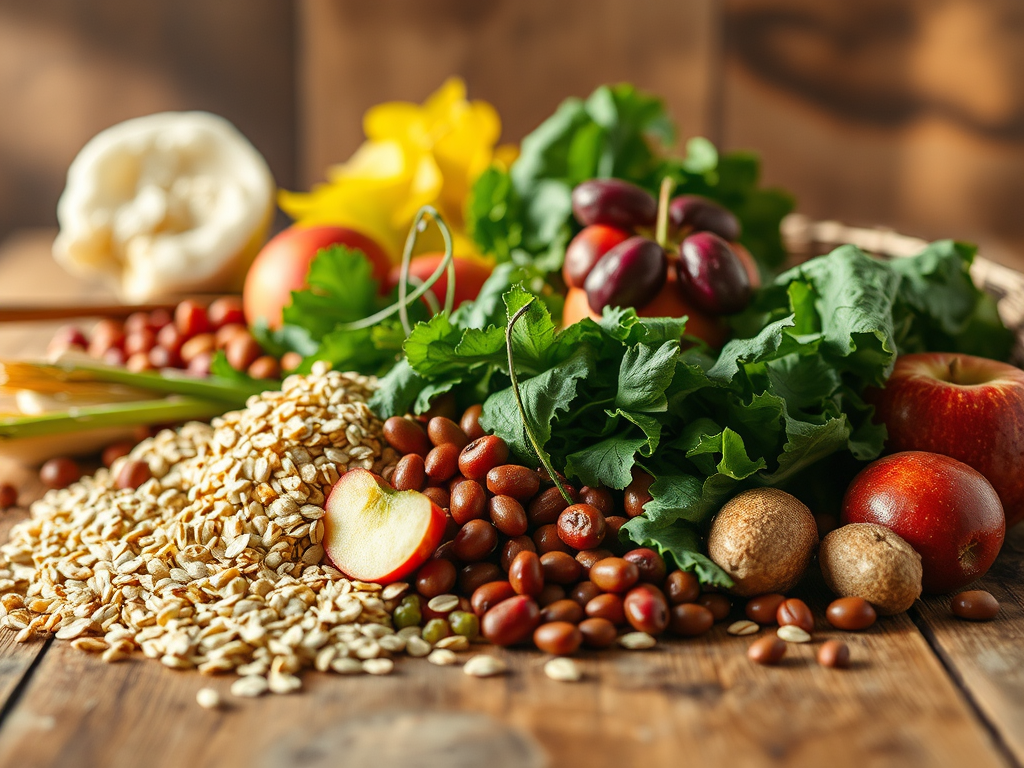
Yes, fiber is not a one-size-fits-all nutrient. There are two main types: soluble and insoluble fiber, and each has distinct roles in our digestive system. In addition, resistant starch and prebiotic fiber are other important categories that significantly influence gut health.
Soluble Fiber
Soluble fiber dissolves in water, forming a gel-like substance in the digestive tract. This type of fiber slows digestion, helps regulate blood sugar levels, and lowers cholesterol. It is commonly found in foods such as:
- Oats
- Legumes (lentils, chickpeas, black beans)
- Apples and citrus fruits
- Flaxseeds and chia seeds
- Carrots and sweet potatoes
Soluble fiber also serves as food for beneficial gut bacteria, promoting a balanced microbiome and aiding in the production of short-chain fatty acids (SCFAs) like butyrate, which support colon health.
Insoluble Fiber
Insoluble fiber does not dissolve in water and adds bulk to stool, promoting regular bowel movements and preventing constipation. It acts as a natural cleanser for the intestines, helping food move efficiently through the digestive system. Foods rich in insoluble fiber include:
- Whole grains (brown rice, whole wheat, quinoa)
- Vegetables (broccoli, cauliflower, leafy greens)
- Nuts and seeds
- The skin of fruits and vegetables
Resistant Starch
Resistant starch is a type of carbohydrate that resists digestion in the small intestine and ferments in the large intestine, feeding beneficial bacteria. Sources of resistant starch include:
- Cooked and cooled potatoes
- Green bananas
- Lentils and legumes
- Whole grains
Resistant starch contributes to gut health by promoting the growth of beneficial bacteria and enhancing SCFA production.
Prebiotic Fiber
Prebiotic fiber serves as food for probiotics, the beneficial bacteria in our gut. It helps maintain a healthy balance of gut flora, reducing inflammation and supporting the immune system. Excellent sources of prebiotic fiber include:
- Garlic
- Onions
- Asparagus
- Leeks
- Chicory root
- Bananas
Why Does Our Colon and Microbiome Love Fiber?
Our gut is home to trillions of bacteria, both beneficial and harmful. A fiber-rich diet supports the growth of beneficial bacteria, leading to a balanced microbiome and improved digestive health. Here’s why fiber is so beneficial for our gut:
1. Fiber Fuels Beneficial Gut Bacteria
Prebiotic fibers, found in many plant-based foods, feed probiotics, encouraging the growth of beneficial bacteria. A well-nourished microbiome contributes to better digestion, immune function, and even mental health.
2. Fiber Promotes the Production of Short-Chain Fatty Acids (SCFAs)
When gut bacteria ferment fiber, they produce SCFAs like butyrate, acetate, and propionate. These compounds have numerous benefits:
- Butyrate supports colon cell health and reduces inflammation.
- Acetate helps regulate appetite and energy metabolism.
- Propionate contributes to lower cholesterol levels and blood sugar regulation.
3. Fiber Helps Maintain a Healthy Gut Lining
SCFAs strengthen the gut lining, preventing harmful substances from leaking into the bloodstream, a condition known as leaky gut syndrome. A strong gut lining supports immune function and reduces the risk of inflammatory diseases.
4. Fiber Supports Regular Bowel Movements
Insoluble fiber adds bulk to stool, preventing constipation and promoting regularity. A healthy gut transit time is crucial for eliminating waste and toxins from the body.
5. Fiber Reduces Inflammation and Supports Immunity
A diverse microbiome fueled by fiber helps regulate the immune system, reducing inflammation and lowering the risk of autoimmune conditions, obesity, and metabolic diseases.
Incorporating More Fiber into Your Plant-Based Diet
A well-balanced plant-based diet naturally provides an abundance of fiber. To maximize fiber intake, consider these tips:
- Eat a variety of plant-based foods – Include whole grains, legumes, fruits, vegetables, nuts, and seeds daily.
- Keep the skin on – Many fruits and vegetables have fiber-rich skins, so avoid peeling them when possible.
- Choose whole grains over refined grains – Opt for brown rice, whole wheat, quinoa, and oats instead of white rice and processed grains.
- Include legumes and pulses – Lentils, beans, and chickpeas are excellent sources of fiber and plant-based protein.
- Snack on fiber-rich foods – Nuts, seeds, fresh fruit, and raw vegetables make great fiber-packed snacks.
- Stay hydrated – Fiber absorbs water, so drinking enough fluids is essential for digestive health.
Final Thoughts
Fiber is a crucial component of a plant-based diet, offering immense benefits for gut health, digestion, and overall well-being. With different types of fiber playing unique roles, a diverse plant-based diet can ensure optimal gut function and a thriving microbiome.
What’s your favorite high-fiber plant-based food? Have you noticed improvements in your digestion from eating more fiber? Let us know in the comments below—we’d love to hear your thoughts and experiences!
 Tech and Tofu
Leave a comment