
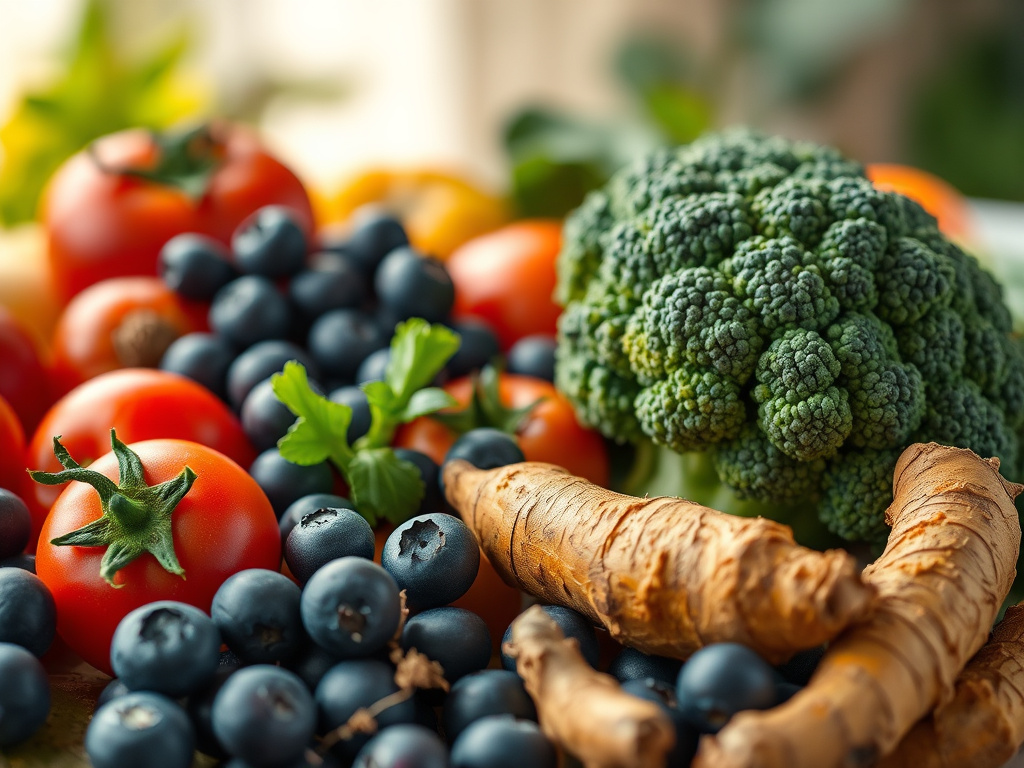
In recent years, plant-based diets have gained immense popularity due to their numerous health benefits. One of the key contributors to these benefits is secondary phytochemicals. These naturally occurring compounds are found in plants and play a crucial role in promoting health, preventing disease, and supporting overall well-being. But what exactly are secondary phytochemicals, how do they work in the body, and which foods should you choose to gain the most advantage? Let’s dive into these questions in detail.
What Are Secondary Phytochemicals?
Secondary phytochemicals are bioactive compounds produced by plants as a defense mechanism against pests, bacteria, and environmental stressors. Unlike primary metabolites such as carbohydrates, proteins, and fats, these compounds are not essential for the plant’s survival but contribute significantly to human health when consumed.
These compounds are classified into several categories, including flavonoids, carotenoids, glucosinolates, polyphenols, and saponins, each with unique properties that provide various health benefits.
Can Secondary Phytochemicals Boost Your Health?
The short answer is: Yes! Secondary phytochemicals offer a wide range of health benefits, from reducing the risk of chronic diseases to enhancing immune function. Below are some of the ways these compounds can improve your health:
1. Antioxidant Power
Many secondary phytochemicals, such as flavonoids and polyphenols, act as antioxidants, neutralizing harmful free radicals in the body. Free radicals contribute to oxidative stress, which can damage cells and lead to chronic diseases such as cancer, heart disease, and neurodegenerative disorders. By reducing oxidative stress, phytochemicals help protect cells and promote longevity.
2. Anti-Inflammatory Effects
Inflammation is a natural response of the immune system, but chronic inflammation is linked to various diseases, including arthritis, diabetes, and cardiovascular conditions. Certain phytochemicals, such as curcumin (found in turmeric) and resveratrol (found in grapes and berries), possess strong anti-inflammatory properties that help reduce the risk of chronic diseases.
3. Cancer Prevention
Many secondary phytochemicals have been studied for their potential anti-cancer properties. For example, glucosinolates in cruciferous vegetables like broccoli and kale are known to help detoxify carcinogens and inhibit cancer cell growth. Similarly, lycopene, a carotenoid found in tomatoes, has been linked to a lower risk of prostate cancer.
4. Heart Health
Secondary phytochemicals support cardiovascular health by reducing bad cholesterol (LDL), improving blood circulation, and preventing the formation of blood clots. Flavonoids in foods such as dark chocolate, berries, and green tea have been shown to lower blood pressure and improve heart function.
5. Immune System Support
Phytochemicals help strengthen the immune system by enhancing the body’s ability to fight infections. Allicin, found in garlic, is a powerful compound with antibacterial and antiviral properties, while quercetin, present in onions and apples, helps modulate immune function.
6. Blood Sugar Regulation
For those at risk of diabetes, certain phytochemicals can help regulate blood sugar levels. Polyphenols in cinnamon and green tea improve insulin sensitivity and reduce blood sugar spikes, making them beneficial for people with diabetes or metabolic disorders.
How Do Secondary Phytochemicals Work in the Body?
Secondary phytochemicals interact with the body in various ways to promote health and prevent disease. Below are some of their key mechanisms of action:
1. Neutralizing Free Radicals
Many phytochemicals function as antioxidants, scavenging free radicals and reducing oxidative damage to cells. This helps prevent premature aging and reduces the risk of chronic diseases.
2. Modulating Gene Expression
Some phytochemicals influence gene expression, enhancing the body’s ability to detoxify harmful substances and repair damaged cells. For example, sulforaphane from broccoli activates genes that produce detoxifying enzymes.
3. Enhancing Enzyme Activity
Phytochemicals help boost the activity of enzymes that protect against harmful substances, including carcinogens. This mechanism is particularly important in cancer prevention.
4. Influencing Hormonal Balance
Certain phytochemicals, such as lignans in flaxseeds, have estrogen-like properties that help balance hormone levels, reducing the risk of hormone-related cancers like breast and prostate cancer.
5. Supporting Gut Health
Polyphenols and other plant compounds promote a healthy gut microbiome by feeding beneficial bacteria and inhibiting harmful pathogens. A balanced gut microbiome is essential for digestion, immunity, and mental health.
Which Foods Should You Choose to Gain the Most Advantage?
To maximize the benefits of secondary phytochemicals, it is essential to include a diverse range of plant-based foods in your diet. Here are some of the best sources:
Fruits
- Berries (blueberries, strawberries, raspberries) – Rich in flavonoids and polyphenols
- Grapes – Contain resveratrol, known for heart health benefits
- Citrus fruits (oranges, lemons, grapefruits) – High in flavonoids and vitamin C
- Apples – A great source of quercetin, which has anti-inflammatory properties
Vegetables
- Cruciferous vegetables (broccoli, kale, Brussels sprouts) – Contain glucosinolates for cancer prevention
- Tomatoes – Rich in lycopene, which supports heart and prostate health
- Spinach and leafy greens – High in carotenoids and flavonoids
- Garlic and onions – Provide allicin and quercetin for immune support
Nuts and Seeds
- Flaxseeds and chia seeds – High in lignans, beneficial for hormonal balance
- Walnuts – Contain polyphenols that support brain and heart health
- Almonds – Rich in flavonoids and vitamin E
Legumes and Whole Grains
- Lentils and beans – Provide polyphenols and fiber for gut health
- Whole grains (oats, brown rice, quinoa) – Rich in plant compounds that support digestion and cardiovascular health
Herbs and Spices
- Turmeric – Contains curcumin, a powerful anti-inflammatory compound
- Cinnamon – Helps regulate blood sugar levels
- Green tea – Packed with catechins, which have antioxidant properties
Conclusion: The Power of Plant-Based Nutrition
Secondary phytochemicals are a hidden treasure in plant-based foods, offering powerful health benefits that can protect against chronic diseases, enhance immune function, and promote overall well-being. By incorporating a variety of colorful fruits, vegetables, nuts, seeds, and whole grains into your diet, you can harness the power of these bioactive compounds and take your health to the next level.
Join the Conversation!
Have you noticed any health benefits from incorporating more plant-based foods into your diet? Do you have favorite recipes or tips for maximizing secondary phytochemicals? Share your thoughts in the comments below – I’d love to hear from you!
 Tech and Tofu
Leave a comment