Iron is an essential mineral that plays a crucial role in numerous biological processes, including oxygen transport, energy production, and immune system function. While iron is found in both animal and plant foods, individuals following a plant-based diet must pay special attention to their intake and absorption due to differences in iron bioavailability. This article explores the significance of iron, its functions in the body, the challenges of getting enough iron on a plant-based diet, effective strategies to optimize iron intake, and relevant scientific studies on the topic.
The Importance of Iron in the Human Body
Iron is fundamental to various physiological processes, making it one of the most important micronutrients for maintaining overall health. Some of its critical functions include:
1. Oxygen Transport and Hemoglobin Formation
Iron is a core component of hemoglobin, the protein in red blood cells responsible for transporting oxygen from the lungs to tissues throughout the body. Hemoglobin binds oxygen and delivers it to cells while also removing carbon dioxide, which is expelled through the lungs. A deficiency in iron can lead to anemia, causing fatigue, dizziness, and shortness of breath.
2. Myoglobin and Muscle Function
Iron is also found in myoglobin, a protein similar to hemoglobin that stores oxygen in muscle tissues. This stored oxygen is crucial for muscle contraction and endurance, making iron particularly important for athletes and active individuals.
3. Enzyme Activation and Energy Production
Many enzymes in the body require iron to function properly. These enzymes are involved in:
- ATP production (energy synthesis): Iron helps in the electron transport chain within mitochondria, which is the primary pathway for producing energy in cells.
- DNA synthesis and repair: Iron-dependent enzymes help in the replication and maintenance of DNA.
- Neurotransmitter synthesis: Iron is needed for the production of dopamine, serotonin, and norepinephrine, which regulate mood, cognition, and focus.
4. Immune System Support
Iron plays a vital role in supporting the immune system by aiding in the proliferation and function of white blood cells. An iron deficiency can weaken immune response, making individuals more susceptible to infections.
5. Cognitive Function and Brain Development
Iron is critical for brain function and development, particularly in infants and young children. Low iron levels can impair cognitive performance, memory, and attention span. Studies suggest that iron deficiency during childhood can lead to long-term developmental delays.
Heme vs. Non-Heme Iron: Understanding the Difference
There are two types of dietary iron:
1. Heme Iron (Animal-Based Sources)
- Found in animal products like meat, poultry, and fish.
- Has higher bioavailability (14-18% absorption rate).
- Not influenced as much by dietary inhibitors.
2. Non-Heme Iron (Plant-Based Sources)
- Found in plant-based foods such as legumes, grains, nuts, seeds, and leafy greens.
- Lower bioavailability (5-12% absorption rate).
- More affected by dietary inhibitors like phytates and polyphenols.
Since plant-based diets rely solely on non-heme iron, extra attention is needed to maximize absorption and intake.
Challenges of Getting Enough Iron on a Plant-Based Diet
1. Lower Absorption Rate of Non-Heme Iron
Unlike heme iron, non-heme iron is more difficult for the body to absorb. This means that plant-based eaters need to consume more iron than omnivores to meet the same physiological needs.
2. Inhibitors of Iron Absorption in Plant Foods
Several compounds in plant foods can reduce iron absorption, including:
- Phytates: Found in whole grains, legumes, nuts, and seeds, these compounds can bind to iron and prevent its absorption.
- Polyphenols: Present in tea, coffee, and certain fruits, these antioxidants also inhibit iron absorption.
- Calcium: High calcium intake from fortified plant-based milks or supplements may compete with iron for absorption.
3. Increased Iron Requirements for Plant-Based Diets
Due to these absorption challenges, the recommended daily intake of iron for vegetarians and vegans is 1.8 times higher than that for omnivores. This means:
- Adult: ~14 mg/day (instead of 8 mg).
- Premenopausal persons: ~32 mg/day (instead of 18 mg).
- Pregnant persons: ~49 mg/day (instead of 27 mg).
How to Get Enough Iron on a Plant-Based Diet
Despite the challenges, it is entirely possible to meet iron needs with a well-planned plant-based diet. Below are some key strategies:
1. Consume Iron-Rich Plant Foods
Some of the best plant-based sources of iron include:
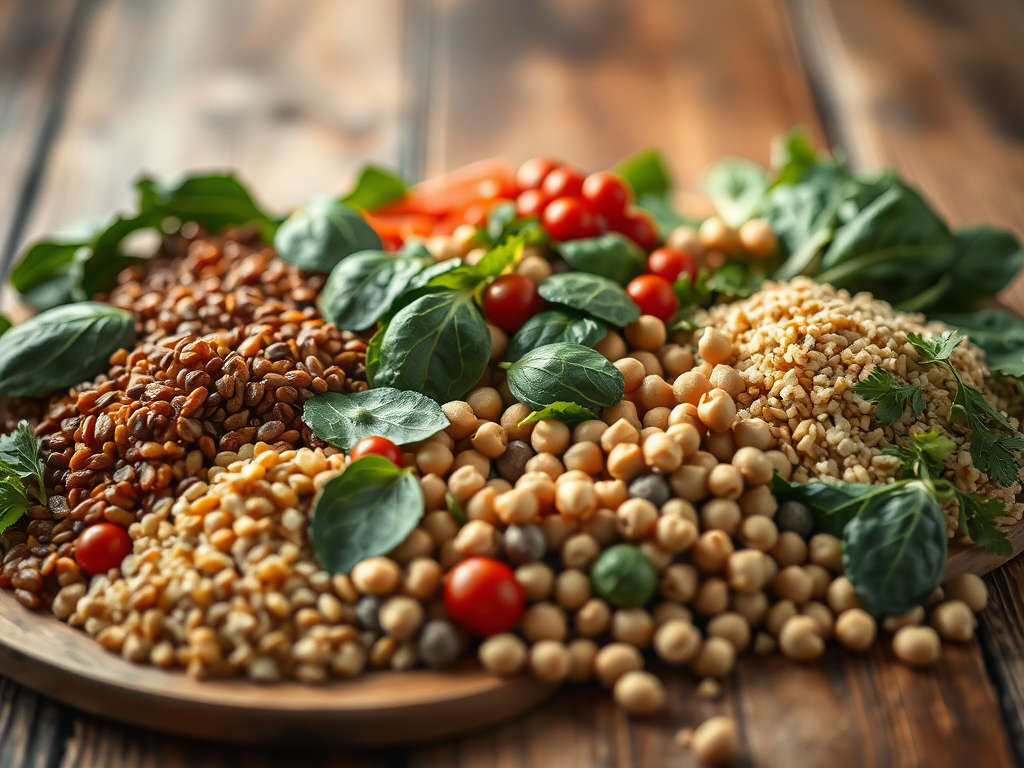
- Legumes: Lentils (6.6 mg per cup), chickpeas (4.7 mg per cup), black beans (3.6 mg per cup).
- Tofu & Tempeh: Tofu (6.6 mg per cup), tempeh (4.5 mg per cup).
- Nuts & Seeds: Pumpkin seeds (4.2 mg per ounce), sesame seeds (3.3 mg per ounce), cashews (1.9 mg per ounce).
- Whole Grains: Quinoa (2.8 mg per cup), oats (3.4 mg per cup), fortified cereals (up to 18 mg per serving).
- Leafy Greens: Spinach (6.4 mg per cup cooked), kale (1.2 mg per cup raw), Swiss chard (4 mg per cup cooked).
2. Pair Iron with Vitamin C
Vitamin C significantly enhances the absorption of non-heme iron by converting it into a more absorbable form. Good sources include:
- Citrus fruits: Oranges, lemons, grapefruits.
- Berries: Strawberries, blueberries, raspberries.
- Bell peppers: Red and yellow bell peppers.
- Tomatoes: Fresh or in sauces.
3. Reduce Iron Inhibitors During Meals
- Avoid drinking coffee, tea, or calcium-rich beverages with meals.
- Soak and sprout grains, legumes, and seeds to reduce phytates.
- Ferment foods (e.g., sourdough bread, tempeh) to improve iron bioavailability.
4. Use Cast Iron Cookware
Cooking acidic foods (such as tomato sauce) in cast iron pans can increase iron content in meals.
5. Consider Fortified Foods and Supplements
If dietary intake is insufficient, fortified cereals, plant milks, and iron supplements can help. However, iron supplements should only be taken under medical supervision, as excessive iron intake can lead to toxicity.
Scientific Studies on Iron and Plant-Based Diets
- Iron Bioavailability and Requirements in Vegetarian Diets – The American Journal of Clinical Nutrition
- Impact of Vitamin C on Iron Absorption in Vegetarians – Journal of Nutrition
- Iron Deficiency and Cognitive Impairment – The Lancet
Final Thoughts
Iron is a crucial mineral for health, particularly for those following a plant-based diet. While plant-based iron sources have lower bioavailability, proper meal planning and strategic food combinations can help optimize iron intake and absorption. By incorporating iron-rich foods, enhancing absorption with vitamin C, and reducing inhibitors, individuals on plant-based diets can maintain healthy iron levels and prevent deficiencies.
 Tech and Tofu
Leave a comment