Premenopause—also called perimenopause—is a transitional phase leading up to menopause, marked by hormonal shifts that can cause noticeable changes in physical and emotional health.
A growing number of people are exploring plant-based diets for health, ethical, or environmental reasons. But questions often come up about how this way of eating affects hormone balance, symptom management, and overall well-being during the premenopausal years. This article breaks down what happens during premenopause, the challenges that might show up when following a plant-based diet, and evidence-based strategies to stay healthy through it all.
What Is Premenopause?
Premenopause refers to the time before menopause when the body begins shifting from regular reproductive cycles toward the end of those cycles. It typically starts in the mid-to-late 30s or early 40s and can last several years. It ends when menopause is reached—defined as 12 consecutive months without a menstrual period.
Key hormonal changes during this phase include:
- Fluctuating estrogen and progesterone levels
- Less consistent ovulation
- Gradual decline in fertility
- Shifts in cortisol and insulin sensitivity
These hormonal changes can trigger a range of symptoms:
- Irregular cycles
- Mood swings or irritability
- Sleep disturbances
- Hot flashes
- Fatigue
- Weight changes
- Brain fog
- Lower bone density over time
These changes don’t happen all at once, and the experience can vary widely from person to person.
Plant-Based Diets in Premenopause: What’s the Connection?
A plant-based diet focuses on foods derived from plants—vegetables, fruits, whole grains, legumes, nuts, and seeds. It typically limits or excludes animal products.
The relationship between plant-based diets and hormonal health is complex. On the one hand, plants offer antioxidants, fiber, and phytochemicals that can support metabolic and cardiovascular health. On the other, certain nutrients vital for hormone regulation and bone density—like B12, iron, zinc, calcium, omega-3 fatty acids, and vitamin D—are harder to get from plants alone.
This can raise challenges during a life phase where hormonal shifts already stress nutrient reserves.
Common Challenges for Premenopausal People on a Plant-Based Diet
1. Increased Nutrient Needs, Harder to Meet with Plants Alone
Hormonal fluctuations increase the demand for specific nutrients:
- Iron: Menstrual irregularities can lead to heavy bleeding, increasing iron loss.
- Calcium & Vitamin D: Estrogen helps maintain bone density. Its decline can affect calcium absorption.
- B12 & Omega-3s: Important for mood, energy, and cognitive health—areas often affected during premenopause.
- Protein: Muscle mass naturally declines with age; protein helps preserve it.
A strictly plant-based diet requires careful planning to meet these needs consistently.
2. Blood Sugar Swings and Carb Overload
Plant-based diets can skew toward high carbohydrate intake, especially if centered on grains, fruits, and legumes without enough protein or fat. Blood sugar instability—common in premenopause—can worsen symptoms like fatigue, mood swings, and brain fog.
3. Weight Changes and Muscle Loss
Many report unexpected weight gain during premenopause. A low-protein plant-based diet can make it harder to maintain muscle mass, which plays a key role in metabolism and energy balance.
4. Gut Health and Digestive Issues
While fiber is a cornerstone of plant-based diets, excessive or poorly balanced fiber can aggravate bloating or gut discomfort—especially in people already dealing with hormonal digestive sensitivity.
5. Mood and Mental Health
Premenopause is linked with an increased risk of anxiety and depression. Some essential nutrients for neurotransmitter function, like zinc, B vitamins, and omega-3s, are harder to obtain from plant foods alone.
Solutions: How to Thrive on a Plant-Based Diet During Premenopause
1. Focus on Nutrient-Dense Whole Foods
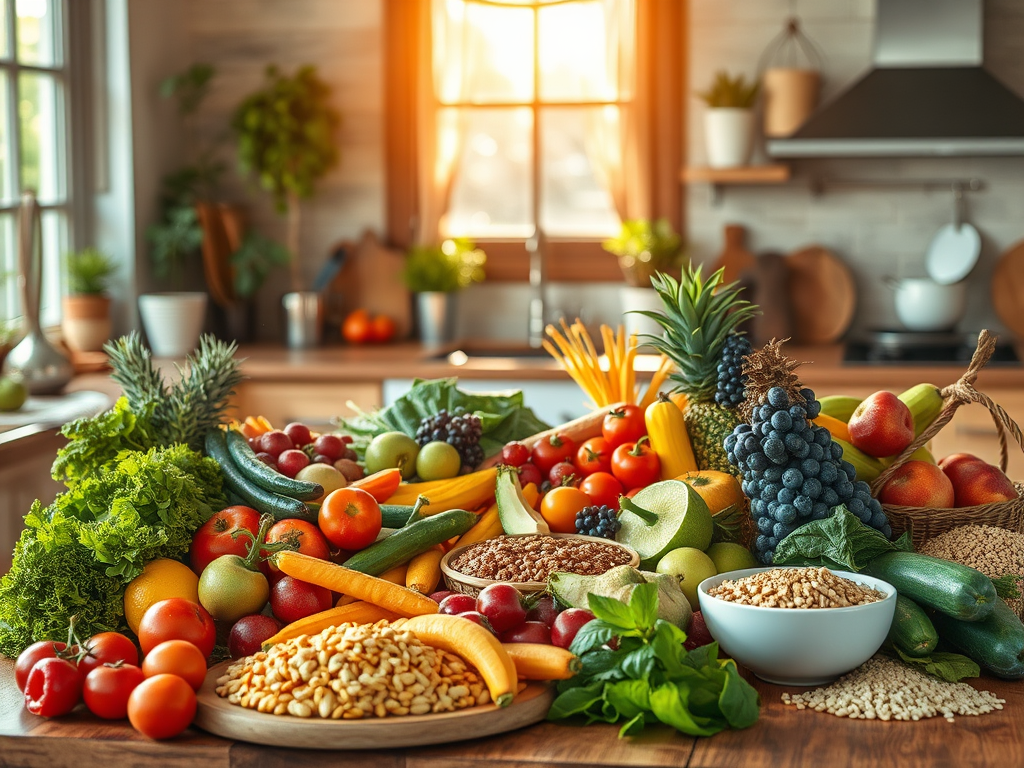
Choose a diverse mix of colorful vegetables, fruits, legumes, nuts, seeds, and whole grains. Use food as the first line of defense for meeting your vitamin and mineral needs.
Key players:
- Dark leafy greens: high in calcium, magnesium, iron
- Legumes and lentils: protein, fiber, folate
- Tofu and tempeh: complete protein, calcium, isoflavones (phytoestrogens)
- Nuts and seeds: zinc, omega-3s, selenium
- Seaweed: iodine, a trace mineral important for thyroid regulation
2. Include Fortified Foods and Consider Supplements
Some nutrients are tough to get consistently from plants alone. Fortified foods and targeted supplements can help fill the gap:
- Vitamin B12: essential; must be supplemented
- Vitamin D3: especially in winter or low sunlight areas
- Omega-3 (EPA/DHA): use algae-based supplements
- Iron: consider supplementation if ferritin is low
- Zinc & iodine: monitor and supplement if needed
3. Balance Macronutrients for Stable Blood Sugar
A balanced plant-based meal should include:
- Protein (15–20g per meal): tofu, lentils, tempeh, edamame, seitan
- Healthy fats: avocado, olive oil, chia, flax, walnuts
- Complex carbs: quinoa, sweet potatoes, oats, beans
Avoid excess reliance on refined grains or sugary snacks, which spike blood sugar and worsen fatigue and mood.
4. Support Gut Health
- Introduce fermented foods: kimchi, sauerkraut, miso, plant-based yogurt
- Increase prebiotic fiber slowly to avoid bloating
- Drink enough water to help fiber move through the gut
5. Weight and Muscle Maintenance
- Prioritize resistance training: strength-based exercise is key to maintaining muscle mass and managing weight
- Increase protein intake to 1.2–1.5g per kg of body weight daily
- Consider plant-based protein powders for an easy boost
6. Track Symptoms and Adjust
Keep a log of symptoms, energy levels, mood, and food intake. This helps spot patterns and adjust diet or lifestyle strategies over time.
What Does the Research Say?
Scientific literature on plant-based diets and premenopause is still growing, but here’s what we know so far:
Plant-Based Diets and Hormonal Health
- Isoflavones and phytoestrogens in soy products may ease hot flashes and support estrogen balance.
- Study: Messina, M. et al. (2010) found soy isoflavones reduced hot flash frequency in perimenopausal individuals.
- High-fiber diets help with estrogen metabolism by supporting the gut-liver axis.
- Study: Goldin, B.R., & Gorbach, S.L. (1984) showed dietary fiber increases fecal estrogen excretion, potentially reducing estrogen dominance.
Plant-Based Diets and Bone Health
- Calcium intake can be adequate on a vegan diet with the right foods, but absorption may be lower.
- Study: Mangels, A.R. (2008) discusses how oxalates and phytates in plants can interfere with calcium absorption, making food combinations important.
- Vitamin D and weight-bearing exercise are critical alongside calcium to prevent bone loss.
- Study: Nieves, J.W. (2005) emphasized the importance of comprehensive strategies (not just calcium intake) in preserving bone density.
Plant-Based Diets and Mood/Cognition
- B12 deficiency is a known risk on vegan diets and can impact mood and cognition during premenopause.
- Study: Allen, L.H. (2008) highlighted the neurological risks of B12 deficiency, particularly in populations over 40.
- Omega-3s help regulate mood and inflammation, but plant sources (ALA) convert inefficiently to EPA/DHA.
- Study: Brenna, J.T. et al. (2009) confirmed low conversion rates of ALA to DHA, making algae-based DHA supplements important.
Additional Considerations
Stress Management and Sleep
Plant-based eating doesn’t directly influence stress or sleep, but nutrient gaps can contribute to sleep issues or low resilience. Magnesium, complex carbs at night, and consistent meals help regulate circadian rhythms and cortisol.
Social and Emotional Support
Lifestyle changes during premenopause can feel isolating, especially when combined with a dietary shift. It helps to find community—whether online, through support groups, or plant-based health forums.
 Tech and Tofu
Leave a comment