Introduction
Vitamin D is a vital nutrient that supports bone health, immune function, and overall well-being. Yet, it is also one of the most commonly deficient nutrients worldwide. For those following a plant-based or vegan diet, maintaining adequate vitamin D levels can be particularly challenging due to its limited presence in plant foods.
This article explores vitamin D in detail: what it is, why it matters, how it affects those on a plant-based diet, and what the latest science says about optimizing your intake.
Understanding Vitamin D
What Is Vitamin D?
Vitamin D is a fat-soluble vitamin that acts more like a hormone. Unlike most vitamins, your body can produce it when your skin is exposed to sunlight, specifically ultraviolet B (UVB) rays. There are two primary forms:
- Vitamin D2 (ergocalciferol): Found in some plant-based foods and fungi.
- Vitamin D3 (cholecalciferol): Found in animal products and synthesized in the skin upon sun exposure.
Both D2 and D3 can increase vitamin D levels in the blood, but D3 is more effective and longer-lasting.
Why Is Vitamin D Important?
Vitamin D plays a central role in:
- Calcium absorption: It helps your body absorb calcium from the digestive tract.
- Bone health: Prevents rickets in children and osteomalacia or osteoporosis in adults.
- Immune function: Modulates the immune response and reduces inflammation.
- Mental health: Low levels have been associated with mood disorders, including depression.
- Muscle function: Supports muscle strength and coordination.
Vitamin D and Plant-Based Diets
Challenges of Getting Vitamin D from Plants
Plant-based diets inherently lack natural sources of vitamin D3. Foods like fatty fish, egg yolks, and liver are rich in D3, but these are excluded in vegan diets. Vitamin D2 is available in some mushrooms exposed to UV light, but its efficacy is not equivalent to D3.
Many vegans rely on fortified foods such as plant-based milk, orange juice, and cereals, but these are often fortified with D2, and levels vary by brand.
Sunlight Exposure
Sunlight is the most natural source of vitamin D. However, factors that influence vitamin D synthesis include:
- Latitude: People living farther from the equator produce less vitamin D in winter months.
- Skin pigmentation: Melanin reduces the skin’s ability to produce vitamin D.
- Age: Older adults produce less vitamin D in response to sunlight.
- Sunscreen and clothing: Both block UVB rays.
- Air pollution and time of day: Can reduce UVB exposure.
Because of these variables, even individuals living in sunny climates can experience deficiency.
Recommended Intake and Blood Levels
The recommended daily allowance (RDA) for vitamin D is:
- 600 IU (15 mcg) for individuals aged 1-70
- 800 IU (20 mcg) for individuals over 70
However, some experts recommend higher intakes for those at risk of deficiency. The safe upper limit is generally considered to be 4,000 IU (100 mcg) per day.
Testing Vitamin D Levels
The most accurate test is the 25-hydroxyvitamin D (25(OH)D) blood test. Ideal blood levels are typically considered to be between 30-50 ng/mL.
Scientific Studies on Vitamin D and Vegan Diets
Study 1: Prevalence of Deficiency
A 2016 review published in Nutrients reported that vegans often have lower serum vitamin D levels than omnivores. In one German study, 58% of vegans were deficient compared to 40% of omnivores.
Study 2: D2 vs. D3 Effectiveness
A randomized controlled trial published in the American Journal of Clinical Nutrition (2020) found that D3 supplementation raised serum levels more effectively than D2.
Study 3: Sunlight and Vitamin D
A 2009 study in Archives of Internal Medicine showed that a significant number of individuals had insufficient vitamin D levels despite adequate sun exposure, highlighting the need for dietary or supplemental sources.
Study 4: Mental Health Correlation
A 2018 meta-analysis in Nutritional Neuroscience found a correlation between low vitamin D levels and increased symptoms of depression, particularly in individuals with existing deficiencies.
Meeting Your Needs on a Plant-Based Diet
Sun Exposure
Aim for 10-30 minutes of midday sun exposure on bare skin, several times per week. The amount needed varies depending on skin tone, age, location, and season.
Fortified Foods
Include fortified plant-based products such as:
- Non-dairy milk (soy, almond, oat)
- Breakfast cereals
- Orange juice
- Vegan spreads and margarine
Check labels for vitamin D content and whether it’s D2 or vegan D3.
Mushrooms
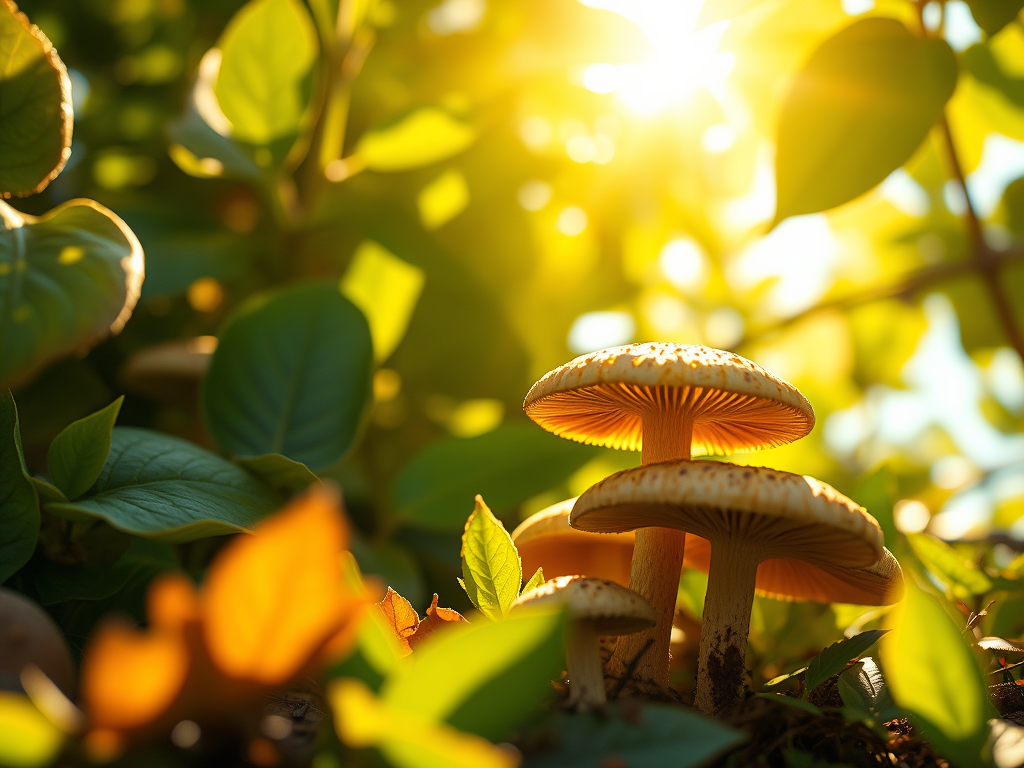
Choose UV-exposed mushrooms, which can provide up to 400 IU of D2 per serving. However, absorption and efficacy are lower than D3.
Supplementation
Most experts agree that supplementation is the most reliable way to maintain adequate levels on a vegan diet. Look for:
- Vegan D3 (lichen-sourced)
- 1000–2000 IU per day for maintenance
- Higher doses may be necessary for those who are deficient, under medical guidance
Risks of Deficiency
Without adequate vitamin D, individuals on a plant-based diet may experience:
- Bone pain or weakness
- Fatigue and low energy
- Frequent illness or infections
- Depression or mood swings
- Increased risk of chronic conditions (e.g., osteoporosis, autoimmune diseases)
Conclusion
Vitamin D is crucial for everyone, but especially for those on plant-based diets who are more likely to have limited sun exposure or lack reliable dietary sources. While fortified foods and sun exposure can help, supplementation with vegan D3 is often necessary to maintain optimal health.
Being proactive about your vitamin D status is a smart move—get tested, understand your needs, and take control of this essential nutrient.
Let’s Talk
Are you following a plant-based diet? How do you manage your vitamin D intake? Have you had your levels tested recently?
Join the conversation and share your experience. Your insights could help someone else navigate this important aspect of plant-based nutrition.
 Tech and Tofu
Leave a comment