Iodine is an essential trace mineral vital for human health, particularly for thyroid function and metabolic regulation. While omnivorous diets often provide sufficient iodine through animal products, plant-based diets can pose challenges in meeting daily iodine requirements.
The Role of Iodine in the Body
Iodine is a critical component of thyroid hormones, which regulate metabolism, growth, and development. Adequate iodine intake is especially important during pregnancy and infancy for proper neurological development. Deficiency can lead to goiter, hypothyroidism, and developmental issues in children.
Iodine Sources in Plant-Based Diets
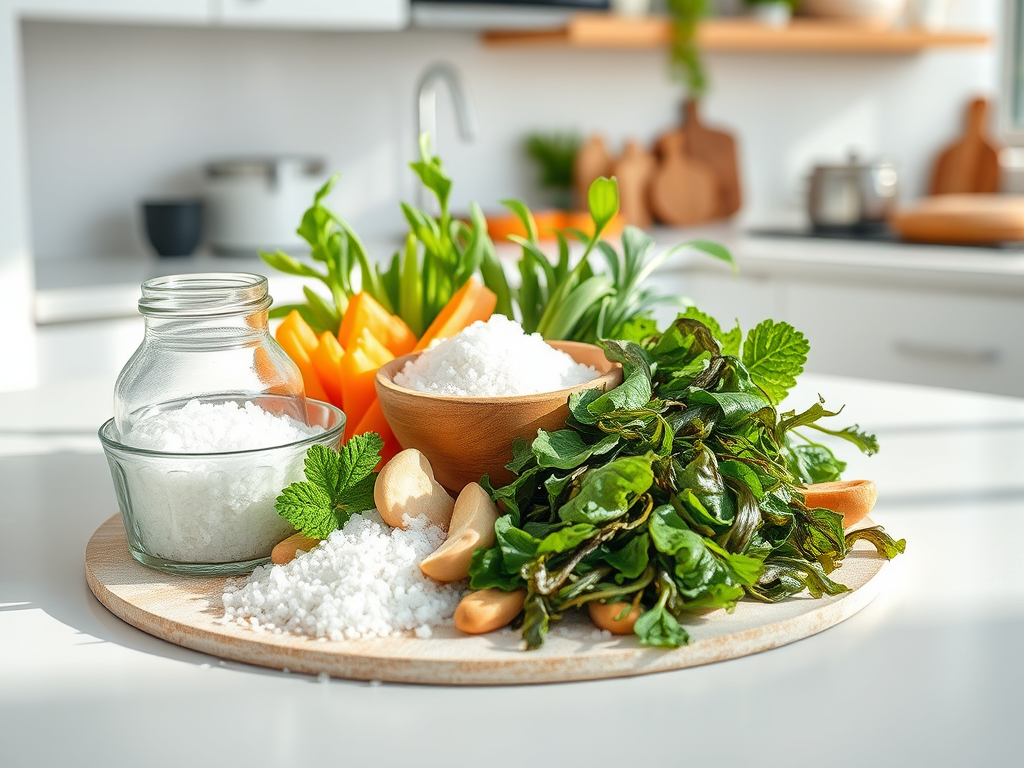
Plant-based diets often lack sufficient iodine due to the low iodine content in plant foods, which is influenced by soil iodine levels. Common plant-based iodine sources include iodized salt and sea vegetables like seaweed. However, the iodine content in seaweed can vary widely, and excessive consumption may lead to iodine toxicity.
Iodine Deficiency in Plant-Based Diets
Research indicates that individuals following vegan diets are at a higher risk of iodine deficiency. A systematic review and meta-analysis found that vegans had the lowest median urinary iodine concentration compared to vegetarians and omnivores. In Germany, only 8% of vegans had adequate iodine levels.
Factors contributing to iodine deficiency in plant-based diets include the absence of animal products, limited use of iodized salt, and reliance on plant-based milk alternatives, which often lack iodine fortification.
Health Implications
Iodine deficiency can lead to various health issues, including thyroid dysfunction and developmental problems in children. During pregnancy, inadequate iodine intake increases the risk of hypothyroidism and can affect fetal brain development.
Children on plant-based diets are also at risk. Studies have shown that vegan and vegetarian children may have lower iodine intake, potentially leading to stunted growth and altered body composition.
Recommendations for Adequate Iodine Intake
To ensure sufficient iodine intake on a plant-based diet:
- Use Iodized Salt: Incorporate iodized salt into your cooking, but be mindful of overall sodium intake.
- Consume Iodine-Rich Sea Vegetables: Include seaweeds like nori and wakame in moderation, as their iodine content can vary.
- Choose Fortified Foods: Opt for plant-based milk alternatives and other products fortified with iodine.
- Consider Supplements: If dietary sources are insufficient, an iodine supplement may be necessary. Consult with a healthcare provider before starting any supplementation.
Conclusion
Maintaining adequate iodine levels is crucial for overall health, particularly for those on plant-based diets. Awareness and proactive dietary choices can help prevent iodine deficiency and its associated health risks.
 Tech and Tofu
Leave a comment