
Omega‑3 fatty acids are a class of polyunsaturated fats essential for our health. They fall into three main types:
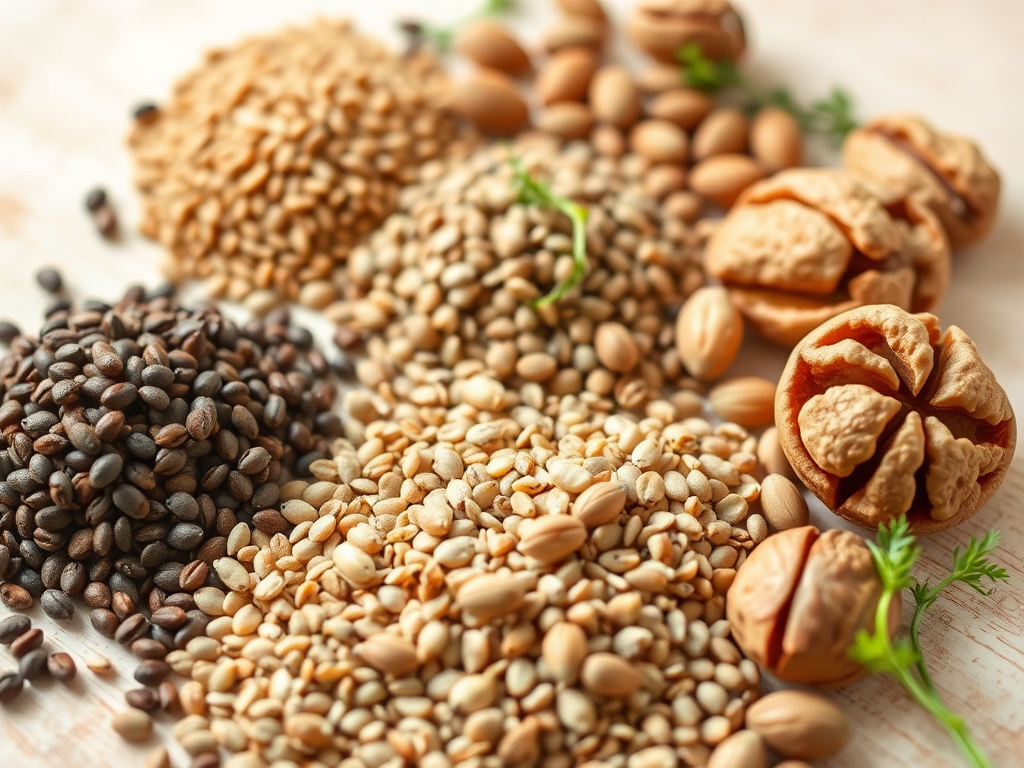
- ALA (alpha‑linolenic acid): Found in plant foods—walnuts, flax, chia, hemp, hemp oils, canola, and leafy greens
- EPA (eicosapentaenoic acid) and DHA (docosahexaenoic acid): Long-chain omega‑3s mostly found in marine sources (fish oil), but also in microalgae and certain engineered plant oils
Our body cannot produce ALA—it must come from our diet. ALA can be converted into EPA and DHA within the body, but this process is inefficient: only about 5–8% of ALA becomes EPA, and still less converts to DHA
Why Omega‑3s matter:
- Cell membranes & signaling: DHA is a key component of brain, nerve, retinal, and sperm cell membranes
- Cardiovascular support: EPA and DHA help reduce triglycerides, lower blood pressure, and improve vascular function
- Cognitive & mental health: DHA supports brain structure; omega‑3s have shown benefits in depression, memory retention, and cognitive aging
- Anti-inflammatory effects: EPA and DHA suppress inflammatory markers like CRP, IL‑6, and TNF‑α
- Eye and pregnancy support: DHA supports retinal structure and healthy fetal development
Plant-Based Omega‑3: Sources & Conversion
In plant-based diets, ALA is the primary omega‑3. Rich sources include:
- Flaxseed and flax oil: ~53–59% ALA oil; about 19.5 g ALA per 85 g flaxseed
- Chia seeds: ~5,000 mg ALA per ounce (>300% of daily requirement)
- Walnuts: ~6.3% ALA
- Hemp seeds, soy, canola, avocado, olive oil
- Edamame, seaweed, and algae—small ALA amounts, but algae stands out as a direct EPA/DHA source
The ALA–EPA/DHA conversion issue:
Only ~5–8% of ALA converts to EPA; DHA formation is even lower High omega‑6 (LA) intake competes for the same enzymes, depressing conversion further. Ideal omega‑6 to omega‑3 ratio is 4:1, but typical Western diets run as high as 20:1.
However, habitual vegetarians often show adequate omega‑3 status:
- A meta-study found vegans consumed sufficient ALA, with no clinical deficiency, thanks to better omega‑6 : omega‑3 ratios
- The EPIC study showed vegan women sometimes have similar or higher blood EPA/DHA levels than omnivores, likely due to efficient conversion
- But most vegetarians still have lower EPA and DHA biomarkers than fish-eaters
Microalgae & Bioengineered Oil: Preformed EPA/DHA
To avoid relying on conversion alone, plant-based dieters can turn to algal oil and novel plant oils.
1. Algal Oil Supplements
- Microalgae (e.g., Schizochytrium sp.) naturally produce EPA/DHA
- These supplements (capsules/liquid) provide roughly 400–500 mg combined EPA+DHA per serving and are considered bioequivalent to fish oil
- A 2021–22 Spanish RCT (90 vegetarians/omnivores), using 250 mg DHA/day over 5 weeks, showed n DHA blood levels increased significantly compared to placebo
- A 2014 J. Nutrition study confirmed algal-derived DHA raised blood DHA in vegetarians comparably to fish oil in omnivores
- Reviews conclude algal DHA/EPA is the most effective plant-based way to optimize omega‑3 blood levels
2. Bioengineered Plant Oils
- Introducing genetically engineered plants like Camelina sativa that produce EPA/DHA similar to fish oil
- While promising, these innovations are still early-stage and pending regulatory approval (e.g., USDA)
Health Benefits from Plant-Based Omega‑3s
A. Cardiovascular Health
- EPA/DHA lower triglycerides and blood pressure; they support endothelial (vessel lining) function
- The 2012–17 meta‑analyses found 250 mg EPA+DHA daily reduces coronary heart disease risk
- A 2023 review in NAFLD (fatty liver disease): 6 RCTs, plant-based omega‑3s lowered ALT by ~8 IU/L and triglycerides by ~45 mg/dL
B. Anti-inflammatory & Joint Support
- Omega‑3s reduce markers like CRP, interleukin-6, and TNF-α
- A 2018 “Nutrients” review noted plant and marine sources reduce inflammation, with algal oil easing joint pain in vegetarians
- Anecdotal report: athlete “Mark” found that combining flaxseed oil + algal supplement cut joint pain in 2 months
C. Brain, Mental Health & Cognitive Aging
- The brain is ~60% DHA—vital for neural integrity
- DHA/EPA supplementation improves mood and alleviates depression
- RCTs show memory and reaction times improved in young adults with supplementation
- Meta‑analyses: mixed findings for dementia prevention, some positive cognitive results in non-cognitive impairment
D. Eye & Pregnancy Benefits
- DHA is a major component of the retina
- Omega‑3s during pregnancy help prevent pre-eclampsia and low birth weight in infants.
- Vegan persons with low DHA passage may lead to lower fetal blood DHA—suggesting algae-derived supplementation is wise
Comparing Strategies: Plant vs. Marine Omega‑3 Intake
| Strategy | Pros | Cons / Limitations |
| High ALA intake (flax, chia, walnuts) | Vegan, whole‑food based; rich in fiber, lignans, etc. | Low EPA (5–8%) & DHA conversion; reduced by high omega‑6 ratio |
| Algal oil supplements | Direct EPA/DHA, vegan, bioequivalent to fish oil | Costlier than flax; dosages need monitoring (250–500 mg/day) |
| Engineered plant oils (e.g., Camelina) | Sustainable, fish-free long-chain omega‑3s | Still not widely available or approved |
| Marine fish/fish oil (for omnivores) | High, reliable levels of EPA+DHA | Not plant-based; environmental and dietary concerns |
Summary Recommendation for Plant-Based Dieters:
To cover essential needs:
- Prioritize whole-food ALA sources like chia, flax, hemp, walnuts, canola, soy
- Reduce omega‑6 intake (sunflower, corn, soybean oil) to aim for a <5:1 omega‑6:3 ratio
- Add a daily 250–500 mg algae-based EPA + DHA supplement to ensure optimal levels
Key Clinical Trials & Reviews
- Bioavailability Scoping Review (2010–2020)
- High-dose flax or echium oil did not increase Omega‑3 Index (O3I); algal oil consistently did
- Spanish RCT (DHA supplementation, 2021, Madrid)
- 90 participants (veg/omn), cross-over design, 250 mg DHA/day × 5 weeks. Serum DHA rose significantly vs. placebo
- J. Nutrition Study (2014)
- Algal oil DHA raised vegetarian blood DHA to levels comparable with omnivores taking fish oil
- NAFLD Plant Omega‑3 Meta‑Analysis (2023)
- 6 RCTs, n=362 patients: Supplements lowered ALT by ~8 IU/L and TGs by 44.5 mg/dL
- Nutrients Review (2018)
- Plant and marine omega‑3s reduce inflammation markers; algal oil relieves joint pain
- Cognitive Function Summary
- RCTs showed omega‑3’s positive effect on memory/reaction speed in young adults, and mild benefit in cognitive aging
Practical Guide: Building a Plant-Based Omega‑3 Plan
- Daily Foods
- 1 Tbs flax oil or 1 Tbsp chia seeds
- Handful of walnuts (≈¼ cup)
- Add hemp seeds, soy, avocado, olive/canola oil
- Adjust Omega‑6 Intake
- Swap sunflower/corn oil for olive or canola
- Avoid processed, refined seed oils high in omega‑6
- Use Algal Supplements
- Choose vegan EPA+DHA supplement (250–500 mg/day)
- Examples: Schizochytrium‑derived softgels or liquid
- Monitor Health Indicators
- Look at triglycerides, inflammatory markers
- Omega‑3 blood tests (Omega‑3 Index) are optional
- Align with Life Stage Needs
- Pregnancy/lactation: DHA is critical for fetal development. Those with cognitive or inflammatory concerns may benefit from 500 mg+ daily.
Conclusion
Omega‑3 fatty acids are essential for heart, brain, eye, and inflammatory health. A well-rounded plant-based approach—combining ALA-rich whole foods, lowered omega‑6 intake, and reliable algal EPA/DHA supplementation—supports optimal wellness. Clinical evidence shows plant-based omega‑3s can match marine-based outcomes in key areas like inflammation, liver health, and cognition.
What’s your current plan for omega‑3 on a plant-based diet? Have you tried algal supplements or tweaked your omega‑6 intake? Share your experience or ask questions below—let’s swap tips, successes, and challenges.
 Tech and Tofu
Leave a comment