
Introduction
Magnesium is one of the most essential minerals for human health, playing a key role in hundreds of enzymatic reactions in the body. For those following a plant-based diet, understanding the importance of magnesium — where to get it and how much is needed — is critical for maintaining well-being. While many people focus on macronutrients such as protein, fats, and carbohydrates, micronutrients like magnesium often go unnoticed, despite their immense importance.
This article dives deep into the significance of magnesium, its roles in the body, the best plant-based sources, how much we need, and what science says about magnesium intake — especially within the context of plant-based nutrition. Whether you’re fully plant-based, flexitarian, or simply health-curious, this comprehensive guide will help you navigate your magnesium needs with confidence.
What is Magnesium?
Magnesium is a mineral found abundantly in the earth, sea, plants, animals, and humans. In the human body, about 60% of magnesium is stored in bones, while the rest resides in muscles, soft tissues, and bodily fluids.
Chemically, magnesium is a cofactor — it helps activate enzymes that regulate various biochemical reactions. These include energy creation, muscle and nerve function, blood sugar control, and blood pressure regulation.
Magnesium is also essential for the synthesis of DNA, RNA, and the antioxidant glutathione. In short, it plays a part in over 300 enzymatic reactions in the human body.
Why Magnesium is Necessary for the Human Body
A deficiency in magnesium can affect virtually every organ system. Here are some of the key roles magnesium plays:
1. Energy Production
Magnesium is involved in the conversion of food into energy. Specifically, it plays a role in the activation of adenosine triphosphate (ATP), the primary energy carrier in cells.
2. Nervous System Support
Magnesium helps regulate neurotransmitters that send messages throughout the brain and nervous system. It’s also involved in muscle contraction and relaxation, making it crucial for preventing cramps, spasms, and even mood swings.
3. Bone Health
Though calcium gets most of the attention for bone health, magnesium is equally important. It contributes to the structural development of bone and is involved in the activity of osteoblasts and osteoclasts — cells that help build and break down bone tissue.
4. Blood Sugar Regulation
Magnesium is key in the metabolism of glucose and insulin. Studies have linked higher magnesium intake with a reduced risk of type 2 diabetes.
5. Heart Health
Magnesium helps maintain normal heart rhythm, supports blood vessel function, and assists in the prevention of high blood pressure and cardiovascular disease.
6. Mood and Mental Health
Magnesium may help with symptoms of depression and anxiety. It modulates the stress response system and is being increasingly recognized for its potential role in mental wellness.
Daily Magnesium Requirements
According to the National Institutes of Health (NIH), the Recommended Dietary Allowance (RDA) for magnesium varies by age and sex:
| Group | RDA |
| Adult men (19–30 years) | 400 mg/day |
| Adult men (31+ years) | 420 mg/day |
| Adult women (19–30 years) | 310 mg/day |
| Adult women (31+ years) | 320 mg/day |
| Pregnant persons | 350–360 mg/day |
| Lactating persons | 310–320 mg/day |
Magnesium Deficiency: A Hidden Epidemic
Despite its importance, magnesium deficiency is surprisingly common. Studies suggest that 50–70% of the U.S. population may be deficient in magnesium, largely due to modern diets that rely heavily on processed foods.
Symptoms of Magnesium Deficiency
- Muscle cramps or twitches
- Fatigue or weakness
- Irregular heartbeat
- Nausea or vomiting
- Loss of appetite
- Anxiety or depression
- High blood pressure
People with gastrointestinal diseases (like Crohn’s or celiac), type 2 diabetes, or alcohol dependency are particularly at risk.
Why Plant-Based Diets Can Be Rich in Magnesium
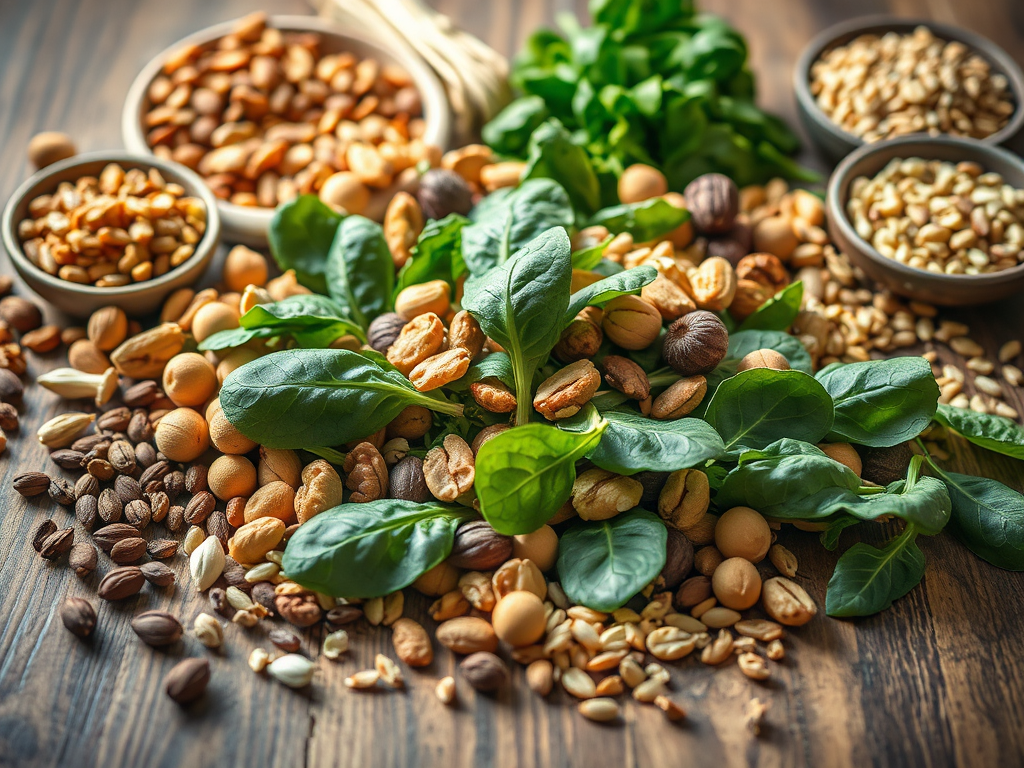
The good news for plant-based eaters is that magnesium is plentiful in a wide variety of plant foods. In fact, many plant-based staples are some of the most magnesium-dense foods available.
Top Plant-Based Magnesium Sources
| Food | Magnesium (mg per serving) |
| Pumpkin seeds (1 oz) | 168 mg |
| Chia seeds (1 oz) | 95 mg |
| Almonds (1 oz) | 80 mg |
| Spinach, cooked (1 cup) | 157 mg |
| Black beans, cooked (1 cup) | 120 mg |
| Quinoa, cooked (1 cup) | 118 mg |
| Tofu (½ cup) | 37 mg |
| Avocado (1 medium) | 58 mg |
| Dark chocolate (1 oz, 70–85%) | 64 mg |
| Oats, cooked (1 cup) | 58 mg |
| Banana (1 medium) | 32 mg |
Including a variety of these foods daily can easily help meet — or even exceed — the RDA for magnesium.
Factors That Affect Magnesium Absorption
1. Phytates and Oxalates
Some plant foods contain phytates and oxalates, which can bind to magnesium and hinder its absorption. For instance, spinach is rich in magnesium but also high in oxalates, which reduce bioavailability. However, overall magnesium intake from a varied diet tends to offset this effect.
2. Soil Depletion
Modern farming practices have led to soil magnesium depletion, which may reduce the magnesium content of plant foods over time.
3. Excessive Alcohol and Caffeine
High consumption of alcohol and caffeine can lead to magnesium excretion through urine, increasing the risk of deficiency.
Magnesium Supplementation: Should You Consider It?
Most people can meet their magnesium needs through diet alone, especially on a whole-food, plant-based diet. However, certain populations may benefit from supplements:
- Those with digestive absorption issues
- People under chronic stress
- Athletes with high sweat loss
- Pregnant individuals
If you consider supplementation, magnesium glycinate, citrate, or malate are generally better absorbed and gentler on the stomach than magnesium oxide.
Always consult a healthcare provider before beginning any supplement regimen.
Scientific Studies on Magnesium and Health
Several studies highlight the role of magnesium in disease prevention and health promotion, particularly relevant for those eating plant-based:
1. Magnesium and Heart Health
A meta-analysis (Del Gobbo et al., 2013) found that higher dietary magnesium intake was associated with a 22% reduced risk of heart failure and a 10% reduced risk of stroke.
2. Magnesium and Diabetes
A 2011 study in Diabetes Care concluded that individuals with the highest magnesium intake had a 47% lower risk of developing type 2 diabetes than those with the lowest intake.
3. Magnesium and Depression
A 2017 randomized controlled trial published in PLOS One showed that magnesium supplementation significantly improved symptoms of depression and anxiety within 6 weeks.
4. Magnesium and Bone Density
A 2004 study in the American Journal of Clinical Nutrition showed that higher magnesium intake was correlated with greater bone mineral density in older adults.
5. Magnesium and Migraines
Research published in Cephalalgia (2015) indicates that magnesium supplementation can reduce the frequency and intensity of migraine attacks.
Tips for Boosting Magnesium on a Plant-Based Diet
- Soak and sprout nuts, seeds, and legumes – This reduces phytate content and improves mineral absorption.
- Eat leafy greens daily – Mix up spinach, kale, chard, and beet greens.
- Snack smart – Choose trail mixes with pumpkin seeds, almonds, and dark chocolate.
- Limit processed foods – These often strip away magnesium-rich components of whole grains and seeds.
- Stay hydrated – Magnesium plays a role in electrolyte balance and hydration.
Conclusion: A Magnesium-Rich Lifestyle
Magnesium is an unsung hero of nutritional wellness, particularly in a plant-based lifestyle. With its wide-reaching impact on energy, mood, bone strength, heart health, and metabolic function, ensuring adequate magnesium intake is essential for vibrant, long-term health.
A well-rounded plant-based diet naturally includes magnesium-rich foods. By being mindful of your choices and paying attention to variety, it’s entirely possible — and even easy — to meet your magnesium needs without animal products or supplements.
Let’s Hear from You!
Do you track your magnesium intake? Have you noticed any changes in your energy, mood, or sleep after increasing magnesium-rich foods? Share your thoughts and experiences in the comments — or drop your questions if you’re curious about making your plant-based diet even more nutrient-dense!
Let’s keep the conversation going and build a healthier, more informed plant-powered community — one mineral at a time.
 Tech and Tofu
Leave a comment