
Introduction
The human brain is one of the most metabolically demanding organs in the body. Despite representing only about 2% of body weight, it consumes roughly 20% of the body’s energy. To maintain complex cognitive processes such as memory, mood regulation, learning, and decision-making, the brain requires a continuous supply of nutrients. Among these nutrients, amino acids play a fundamental role.
Amino acids are the building blocks of proteins, but their importance extends far beyond structural functions. Many amino acids serve as precursors to neurotransmitters, chemical messengers that allow neurons to communicate. Without adequate amino acid availability, the synthesis of neurotransmitters such as serotonin, dopamine, and norepinephrine can be affected, potentially influencing mood, cognition, and neurological health.
In recent years, plant-based diets have gained global attention due to their environmental benefits, ethical considerations, and potential health advantages. However, discussions often arise about whether plant-derived proteins provide sufficient amino acids for optimal brain function. Current research indicates that a well-planned plant-based diet can supply all essential amino acids necessary for brain health and cognitive performance.
This article explores the role of amino acids in brain function, how plant-based diets provide them, why they are essential for the body, and what scientific studies reveal about their impact on cognition and mental health.
Understanding Amino Acids
Amino acids are organic compounds composed of carbon, hydrogen, oxygen, nitrogen, and sometimes sulfur. They combine to form proteins that support virtually every biological process in the body.
There are 20 standard amino acids, categorized into three groups:
1. Essential Amino Acids
Essential amino acids cannot be produced by the human body and must be obtained from food. These include:
- Tryptophan
- Lysine
- Methionine
- Phenylalanine
- Threonine
- Leucine
- Isoleucine
- Valine
- Histidine
2. Non-Essential Amino Acids
These amino acids can be synthesized by the body and include:
- Alanine
- Asparagine
- Aspartate
- Glutamate
3. Conditionally Essential Amino Acids
These are typically produced by the body but may be required from dietary sources under certain physiological conditions such as stress, illness, or injury.
Amino acids not only build structural proteins such as muscle and enzymes but also contribute to metabolic pathways that influence brain chemistry.
Amino Acids and Neurotransmitter Production
One of the most important roles of amino acids in brain function is their involvement in neurotransmitter synthesis.
Neurotransmitters are molecules that transmit signals between nerve cells, regulating mood, cognition, sleep, and behaviour.
Several amino acids act as precursors to these molecules:
Tryptophan and Serotonin
Tryptophan is an essential amino acid and the precursor to serotonin, a neurotransmitter involved in mood regulation, sleep cycles, appetite, and emotional stability.
Research shows that dietary tryptophan availability can influence brain serotonin synthesis. Changes in plasma tryptophan levels directly affect how much of the amino acid enters the brain, altering serotonin production.
Serotonin levels are linked to emotional health, and reduced availability of tryptophan has been associated with mood disorders such as depression.
A 2021 study involving 482 participants found that a tryptophan-rich diet was associated with lower depressive symptoms and improved social cognition, suggesting a relationship between dietary amino acids and psychological well-being.
Tyrosine and Dopamine
Tyrosine is another amino acid critical to brain chemistry. It acts as a precursor for:
- Dopamine
- Norepinephrine
- Epinephrine
These neurotransmitters are involved in motivation, alertness, stress response, and reward processing.
Dietary intake of tyrosine and phenylalanine can influence the rate at which these neurotransmitters are synthesized, demonstrating how protein consumption may affect mental performance and behaviour.
Histidine and Histamine
Histidine is converted into histamine, a neurotransmitter involved in:
- Wakefulness
- Appetite regulation
- Immune responses
Adequate intake of histidine contributes to maintaining cognitive alertness and proper neural signalling.
Glutamate and GABA
Some amino acids function directly as neurotransmitters.
Glutamate is the primary excitatory neurotransmitter in the brain, playing a central role in learning and memory. Meanwhile, gamma-aminobutyric acid (GABA), derived from glutamate, is the main inhibitory neurotransmitter, helping regulate neural excitability and preventing overstimulation.
The balance between glutamate and GABA is crucial for maintaining cognitive stability and preventing neurological disorders.
The Importance of Amino Acids for Brain Health
Amino acids influence brain function through several mechanisms:
1. Neurotransmitter Synthesis
As described above, amino acids serve as precursors for key neurotransmitters that regulate mood, cognition, and behaviour.
2. Protein Synthesis in Neurons
Neurons constantly produce new proteins for maintaining synapses, repairing cellular structures, and enabling neural plasticity.
Neuroplasticity—the brain’s ability to adapt and form new connections—depends on adequate protein availability.
3. Energy Metabolism
Certain amino acids contribute to brain energy metabolism and help maintain neuronal function.
4. Hormone Regulation
Amino acids also influence hormone production that indirectly affects brain health, including stress hormones and growth factors.
Plant-Based Diets as Sources of Amino Acids
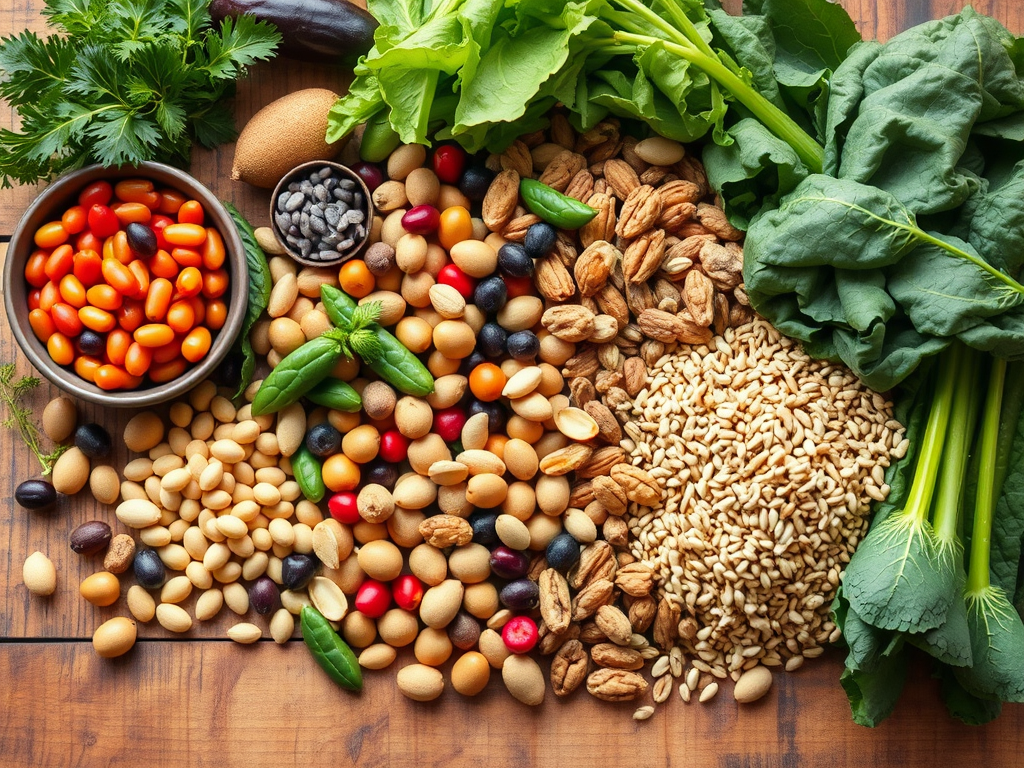
Contrary to common misconceptions, plant foods contain significant amounts of protein and amino acids.
Major plant sources include:
- Legumes (lentils, chickpeas, beans)
- Soy products (tofu, tempeh)
- Nuts and seeds
- Whole grains
- Quinoa
- Peas
- Vegetables such as spinach and broccoli
While many plant proteins are sometimes described as “incomplete proteins,” combining different plant foods throughout the day provides all essential amino acids.
For example:
| Food Combination | Amino Acid Benefit |
| Rice + beans | Balanced essential amino acids |
| Hummus + whole grain bread | Lysine + methionine balance |
| Lentils + quinoa | Complete protein profile |
Modern nutrition science emphasizes that variety over the day, not necessarily within a single meal, ensures adequate amino acid intake.
Plant Proteins and Cognitive Function
Recent research suggests plant proteins may support cognitive health.
A study examining dietary patterns in older adults found that higher consumption of legumes and plant proteins was associated with improved cognitive test scores and reduced risk of cognitive decline.
The researchers observed improvements in cognitive assessments such as the Mini-Mental State Examination (MMSE) and ADAS-Cog among individuals with diets rich in plant proteins and polyunsaturated fats.
This suggests that plant-based dietary patterns may contribute positively to brain health, possibly through:
- amino acid availability
- improved metabolic health
- reduced inflammation
How Diet Influences Brain Amino Acid Availability
The brain is protected by the blood-brain barrier, which regulates which substances can enter neural tissue.
Amino acids must pass through specialized transport systems to reach the brain. Because several amino acids share the same transport channels, their concentrations in the bloodstream affect how much enters the brain.
For example, tryptophan competes with other large neutral amino acids such as leucine, valine, and phenylalanine for transport into the brain.
Therefore, the balance of amino acids in the diet can influence neurotransmitter synthesis and brain function.
Meals with different protein and carbohydrate compositions can temporarily alter these ratios, affecting neurotransmitter production and potentially influencing mood or alertness.
Key Amino Acids for Brain Function in Plant-Based Diets
Below are several amino acids particularly relevant to brain health.
Tryptophan
Plant sources include:
- pumpkin seeds
- soybeans
- oats
- sesame seeds
- peanuts
Functions:
- serotonin production
- sleep regulation
- mood stabilization
Tyrosine
Plant sources include:
- soy products
- almonds
- sesame seeds
- pumpkin seeds
- avocados
Functions:
- dopamine synthesis
- cognitive performance during stress
- attention and motivation
Phenylalanine
Phenylalanine is converted into tyrosine in the body.
Plant sources include:
- lentils
- peanuts
- tofu
- quinoa
Functions:
- neurotransmitter synthesis
- nervous system regulation
Branched-Chain Amino Acids (BCAAs)
These include leucine, isoleucine, and valine.
BCAAs contribute to brain energy metabolism and influence neurotransmitter balance by competing for transport across the blood-brain barrier.
Plant sources include:
- legumes
- soy
- nuts
- whole grains
Scientific Studies on Amino Acids and Brain Function
Several scientific studies have explored the relationship between dietary amino acids and brain function.
Study 1: Fernstrom (1994)
A review published in the Journal of the American Dietetic Association demonstrated that aromatic amino acids such as tryptophan and tyrosine influence brain neurotransmitter production, thereby affecting behavior and cognition.
Study 2: Fernstrom (1979)
This study found that changes in plasma amino acid levels directly affect the transport of tryptophan into the brain and thus serotonin synthesis.
Study 3: Yokogoshi et al. (1987)
Animal experiments showed that altering dietary amino acid intake significantly changes brain tryptophan and serotonin metabolite concentrations.
Study 4: Nutrition Research (2021)
A population-based study found that higher intake of tryptophan-rich foods was linked to lower depression scores and improved social cognition.
Study 5: Journal of Translational Medicine (2017)
Researchers observed that dietary patterns high in legumes and plant proteins were associated with improved cognitive performance and reduced cognitive decline among elderly individuals.
Advantages of Plant-Based Diets for Brain Health
In addition to amino acids, plant-based diets provide several nutrients that support neurological function.
These include:
1. Antioxidants
Plant foods contain polyphenols and antioxidants that protect neurons from oxidative stress.
2. Fiber and Gut Health
Gut bacteria influence neurotransmitter production through the gut-brain axis.
3. Anti-Inflammatory Compounds
Chronic inflammation is associated with neurodegenerative diseases.
4. Healthy Fats
Nuts and seeds supply omega-3 fatty acids essential for brain cell membranes.
Together with amino acids, these nutrients create a supportive environment for brain health.
Practical Tips for Meeting Amino Acid Needs on a Plant-Based Diet
To optimize brain function through plant nutrition:
- Eat a variety of plant proteins daily.
- Include legumes regularly.
- Combine grains and legumes for balanced amino acids.
- Consume nuts and seeds for additional protein and healthy fats.
- Ensure adequate total protein intake.
A balanced plant-based diet can easily meet protein requirements while also providing additional health benefits.
Conclusion
Amino acids play a central role in maintaining brain function, influencing neurotransmitter production, neuronal structure, energy metabolism, and cognitive performance. Essential amino acids such as tryptophan and tyrosine are particularly important because they serve as precursors to neurotransmitters that regulate mood, alertness, and emotional balance.
Scientific research demonstrates that dietary amino acids can directly influence brain chemistry and behaviour. Fortunately, plant-based diets—when properly balanced—provide all essential amino acids necessary for these processes.
Legumes, grains, nuts, seeds, and soy products collectively offer a diverse array of amino acids that support cognitive health. In addition, plant-based diets supply antioxidants, fiber, and anti-inflammatory compounds that further enhance brain function.
As global interest in sustainable nutrition grows, understanding the relationship between plant-derived amino acids and brain health becomes increasingly important.
A well-planned plant-based diet not only supports overall health but also provides the building blocks necessary for optimal brain performance.
What do you think about the relationship between nutrition and brain health?
Have you noticed changes in mood, focus, or energy when changing your diet?
Share your thoughts or experiences—discussion and shared knowledge help us better understand how nutrition shapes the brain.
 Tech and Tofu
Leave a comment