Category: Nutrition
-
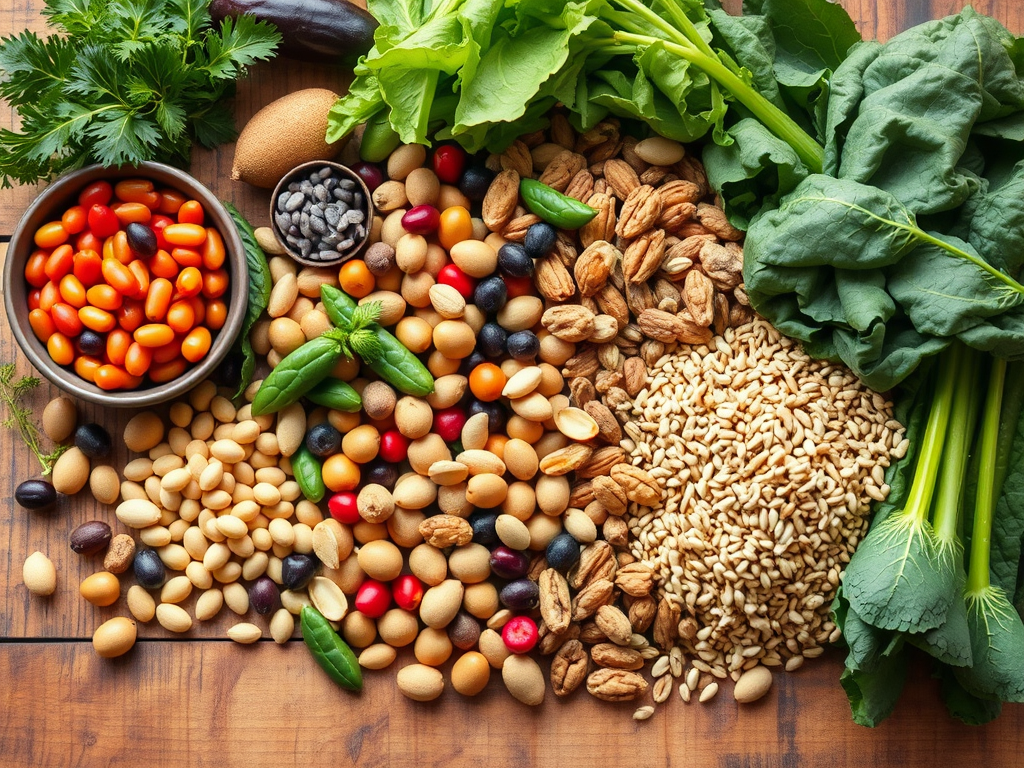
Plant-Based Diets and Brain Health: The Amino Acid Connection
Amino acids are vital for brain function, influencing neurotransmitter production, cognitive performance, and mental health, especially in well-planned plant-based diets.
-

Sodium in a Plant-Based Diet: Finding the Right Balance
Sodium is a crucial mineral for fluid balance, nerve function, and muscle contraction, yet it receives less attention in plant-based diets. While these diets typically have lower sodium, excessive intake from processed foods poses health risks. Balancing sodium is essential; individuals should prioritize whole foods while being mindful of sodium…
-

Unlocking the Power of Trace Minerals in Plant-Based Diets
Plant-based diets offer numerous health benefits but often overlook essential trace minerals, which are critical for metabolism, immunity, and overall health. The “Trace Squad,” including zinc, selenium, iodine, iron, copper, manganese, and chromium, highlights minerals vital for plant-based eaters. Soil quality affects mineral absorption, making awareness and potential supplementation crucial.
-
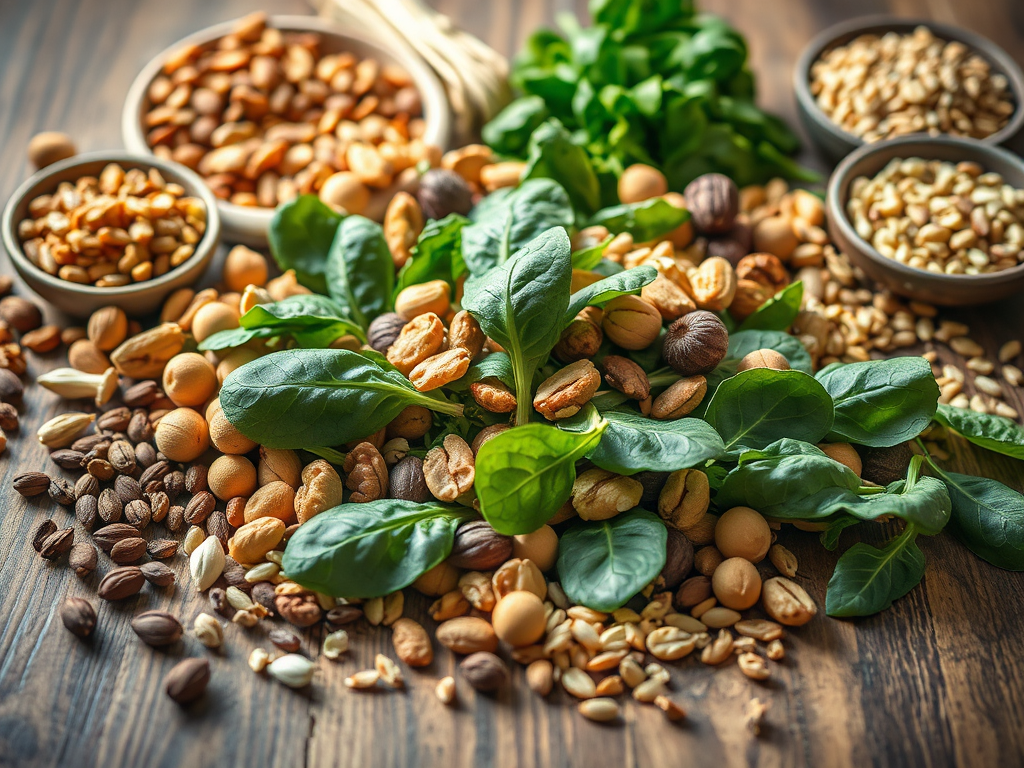
Magnesium in a Plant-Based Diet: A Vital Mineral for Optimal Health
Magnesium is vital for human health, essential for numerous bodily functions including energy production, nerve function, and bone health. Many people, especially those on plant-based diets, may face deficiencies. This guide highlights magnesium-rich plant sources, daily requirements, absorption factors, and the potential need for supplementation to maintain optimal health.
-

Whole-Food vs. Soil Quality: How the Ground Beneath Your Plants Shapes Your Nutrition
Whole-food diets focus on unprocessed, plant-based nutrition, but soil quality greatly impacts food nutrient density. Modern agricultural practices lead to soil depletion, reducing essential minerals in crops. This is particularly concerning for plant-based eaters. Emphasizing regenerative farming, diversifying food sources, and using supplements can help enhance nutrient intake.
-
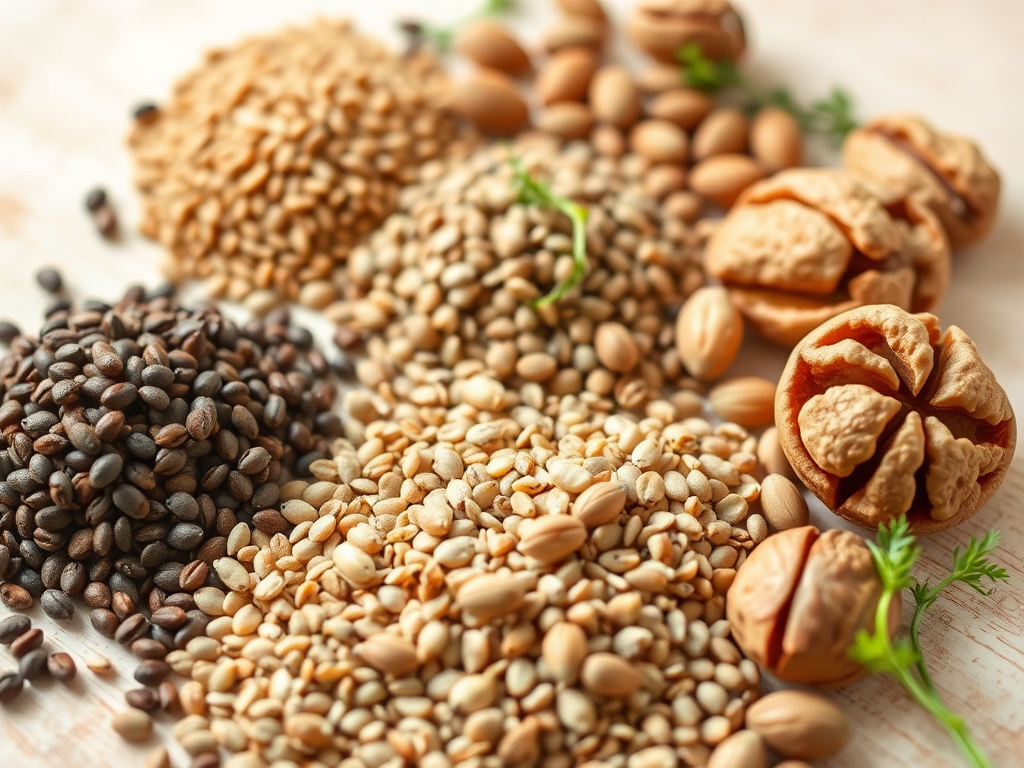
Plant-Based Sources of Omega-3 Explained
Omega-3 fatty acids, vital for health, include ALA, EPA, and DHA. ALA is plant-based, whereas EPA and DHA are found in marine sources. The body inefficiently converts ALA to EPA and DHA. Plant-based diets can benefit from ALA-rich foods and algal oil supplements for optimal omega-3 levels, supporting heart, brain,…
-

Selenium in a Plant-Based Diet: Essential, Elusive, and Manageable
Selenium is a vital trace mineral crucial for thyroid function, immune health, and antioxidant defense. Individuals on plant-based diets may struggle to meet selenium needs due to soil variability and limited sources. Incorporating selenium-rich foods, considering supplements, and monitoring levels can help maintain adequate intake and support overall health.
-

Iodine Deficiency and Plant-Based Eating: What You Need to Know
Iodine is essential for thyroid function and development. Plant-based diets may lack sufficient iodine, increasing deficiency risks, particularly in vegans and vegetarians. Consider iodized salt and supplementation.
-
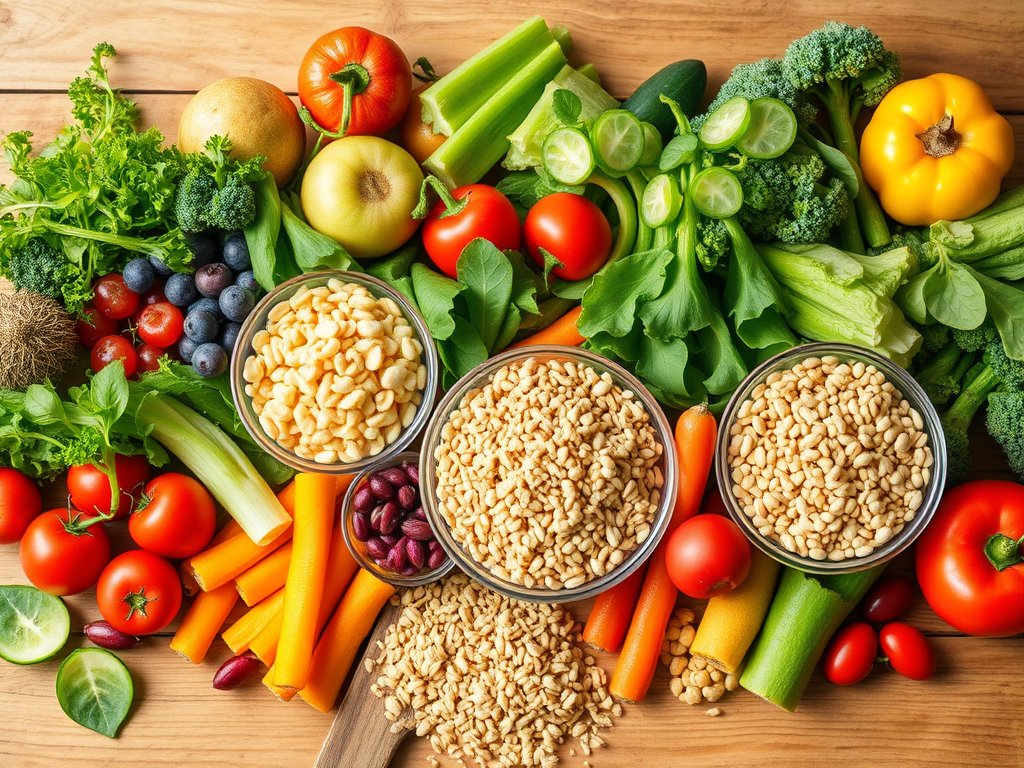
Optimizing Satiety and Digestion with Plant-Based Meals
The article discusses how plant-based foods vary in digestion time and satiety, emphasizing the roles of fiber, water, fat, and protein in these processes for effective meal planning.
-

Calcium and the Plant-Based Diet: What You Need to Know
Calcium is vital for bone health and bodily functions. Plant-based dieters face challenges in intake but can optimize calcium through low-oxalate foods, fortified products, and adequate vitamin D levels.
 Tech and Tofu