-

Animal-Based E-Numbers to Avoid on a Plant-Based Diet (With Global Labeling Guide)
Adopting a plant-based or vegan diet requires awareness of hidden animal-derived additives, including E-numbers. This guide outlines globally recognized animal-based E-numbers found in foods, cosmetics, and supplements, their origins, and labeling conventions in various regions, emphasizing the need for careful ingredient scrutiny to maintain a vegan lifestyle.
-

Revolutionizing Cultured Meat with Self-Healing Scaffolds
South Korean scientists developed a self-healing polymer scaffold for cell-cultivated meat that mimics marbling in traditional beef. This innovative scaffold facilitates the seamless assembly of fat and muscle cells, enhancing flavor and texture. The advances allow for the creation of nutritionally valid, marbled meat products that could revolutionize the cultured…
-
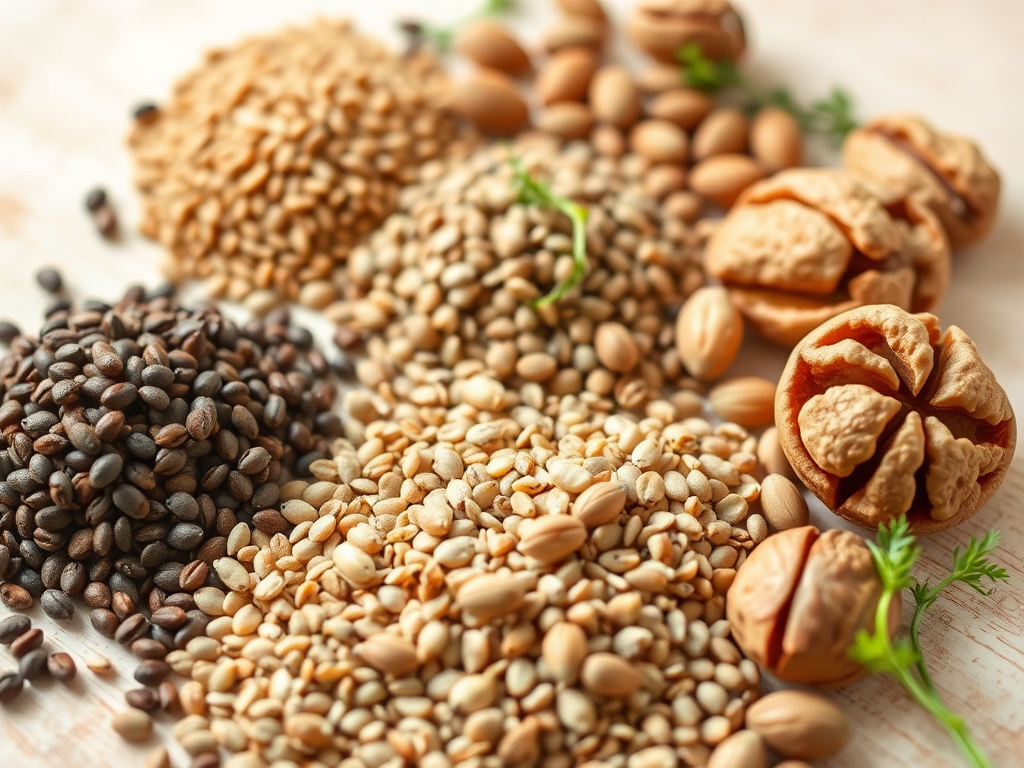
Plant-Based Sources of Omega-3 Explained
Omega-3 fatty acids, vital for health, include ALA, EPA, and DHA. ALA is plant-based, whereas EPA and DHA are found in marine sources. The body inefficiently converts ALA to EPA and DHA. Plant-based diets can benefit from ALA-rich foods and algal oil supplements for optimal omega-3 levels, supporting heart, brain,…
-

Selenium in a Plant-Based Diet: Essential, Elusive, and Manageable
Selenium is a vital trace mineral crucial for thyroid function, immune health, and antioxidant defense. Individuals on plant-based diets may struggle to meet selenium needs due to soil variability and limited sources. Incorporating selenium-rich foods, considering supplements, and monitoring levels can help maintain adequate intake and support overall health.
-
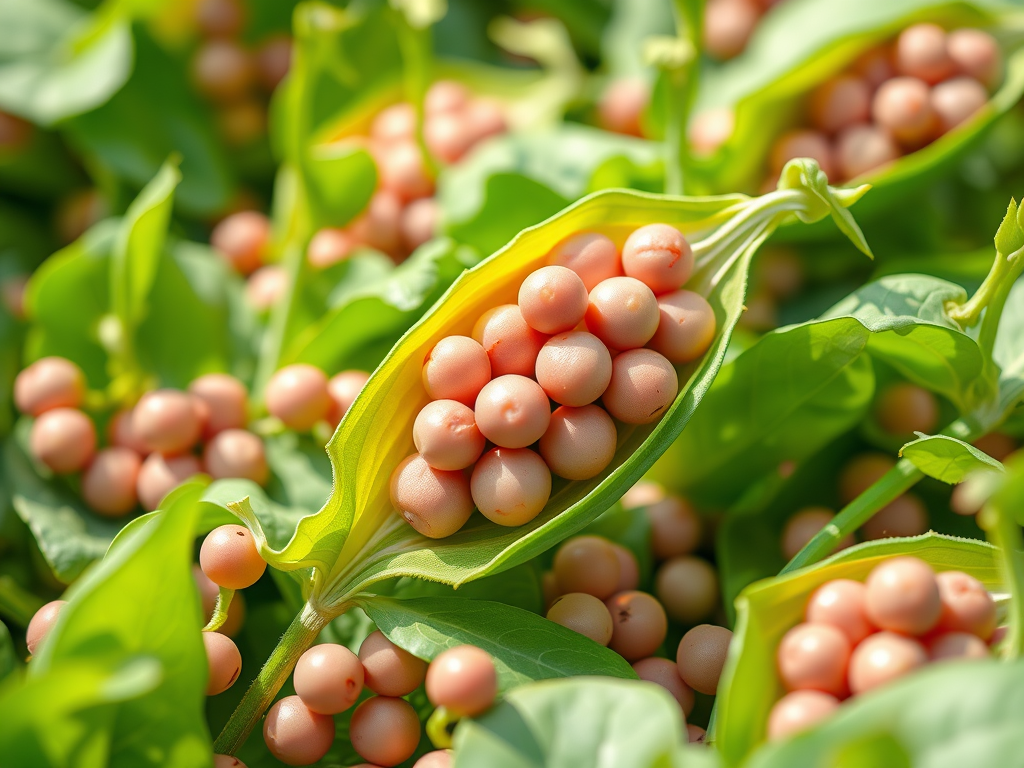
Moolec Science: Revolutionizing Food with Molecular Farming
Moolec Science is advancing food technology through molecular farming, which enables plants to produce animal proteins by integrating animal genes into crops. This sustainable method enhances plant-based nutrition, offering scalable and cost-effective alternatives to animal farming. The company’s achievements in regulatory approvals position it as a leader in innovative food…
-

MUU: Crafting Cow-Free Milk Through Precision Fermentation
MUU, a Thai startup, is transforming the dairy industry by producing animal-free milk through precision fermentation. This method addresses animal welfare, environmental impact, and health concerns linked to traditional dairy. MUU’s innovative process reduces greenhouse gas emissions and resource consumption. As products develop, the company aims to revolutionize dairy alternatives…
-

Iodine Deficiency and Plant-Based Eating: What You Need to Know
Iodine is essential for thyroid function and development. Plant-based diets may lack sufficient iodine, increasing deficiency risks, particularly in vegans and vegetarians. Consider iodized salt and supplementation.
-
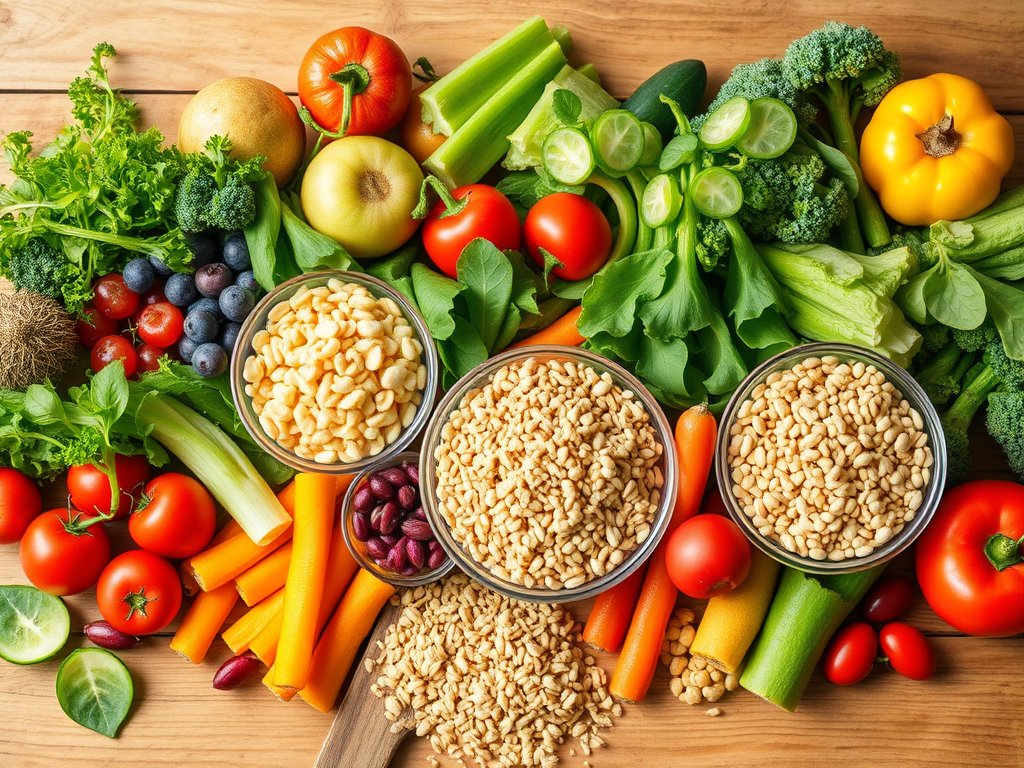
Optimizing Satiety and Digestion with Plant-Based Meals
The article discusses how plant-based foods vary in digestion time and satiety, emphasizing the roles of fiber, water, fat, and protein in these processes for effective meal planning.
-

Calcium and the Plant-Based Diet: What You Need to Know
Calcium is vital for bone health and bodily functions. Plant-based dieters face challenges in intake but can optimize calcium through low-oxalate foods, fortified products, and adequate vitamin D levels.
-
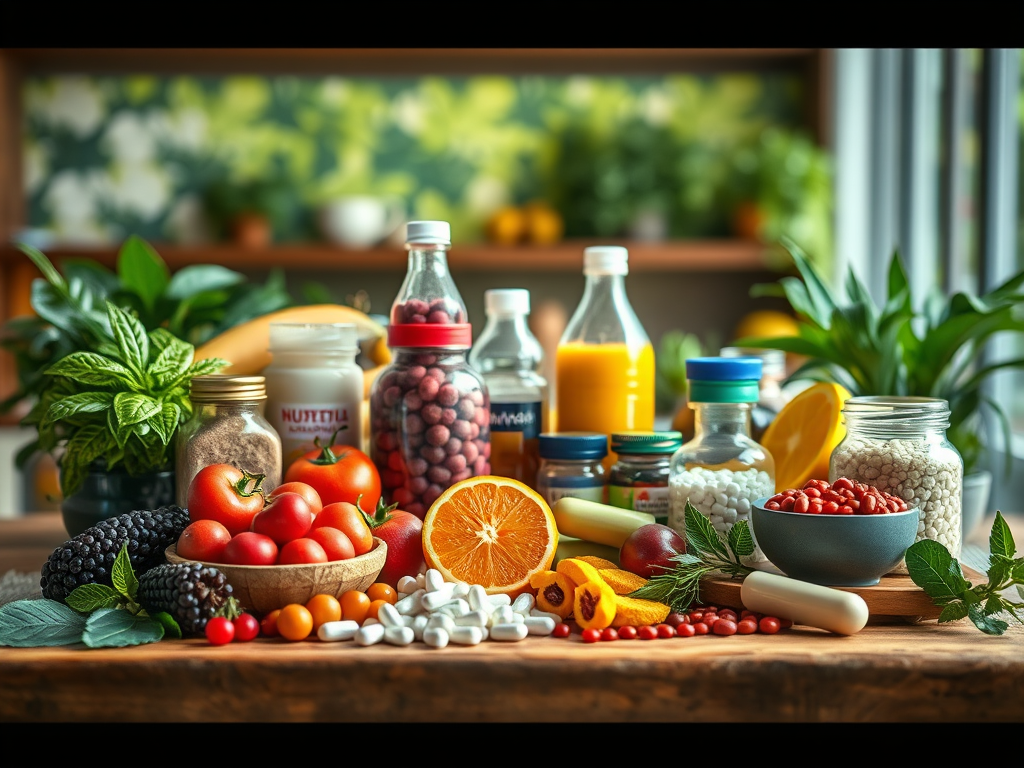
Nutraceuticals: Advantages and Challenges in Modern Health
Nutraceuticals, blending nutrition and pharmaceuticals, provide health benefits beyond basic nutrition but face regulation, scientific validation, and quality challenges. Responsible integration into lifestyles is vital.
 Tech and Tofu