Artificial Intelligence (AI) is revolutionizing various industries, and the food sector is no exception. The integration of AI into food production, processing, distribution, and consumption offers unprecedented opportunities for growth, efficiency, and innovation. This blog post explores the multifaceted applications of AI in the food industry, highlighting its potential to transform the sector and address contemporary challenges.
1. Enhancing Food Production
AI technologies are being employed to optimize agricultural practices, leading to increased crop yields and sustainable farming methods. Through the analysis of data from soil sensors, weather forecasts, and satellite imagery, AI systems can provide farmers with actionable insights on the optimal timing for planting, watering, and harvesting crops. This precision agriculture minimizes resource wastage and maximizes productivity.
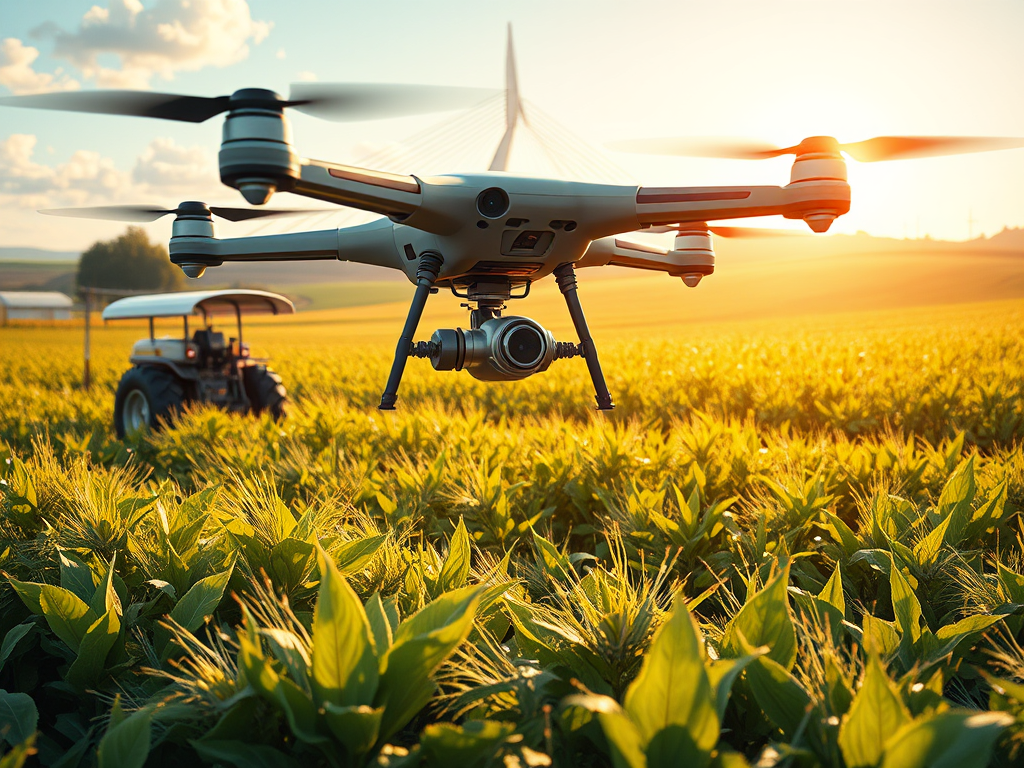
For instance, machine learning algorithms can predict pest infestations, enabling farmers to take preventive measures before significant damage occurs. Additionally, AI-driven drones and robots are being used for tasks such as planting seeds, monitoring crop health, and applying fertilizers or pesticides precisely where needed, reducing the environmental impact of farming practices.
2. Streamlining Food Processing and Safety
In food processing facilities, AI is enhancing efficiency and ensuring product quality. Automated systems equipped with computer vision can inspect products on production lines, identifying defects or contaminants that may not be detectable by human eyes. This ensures that only products meeting quality standards reach consumers, thereby maintaining brand reputation and consumer trust.
Moreover, AI algorithms can monitor equipment performance in real-time, predicting maintenance needs before breakdowns occur. This predictive maintenance reduces downtime and prevents potential disruptions in the food supply chain. AI is also being utilized to develop new food products by analyzing consumer preferences and predicting flavor combinations that are likely to be successful in the market.
3. Optimizing Supply Chain Management
The food supply chain is complex, involving multiple stages from farm to table. AI is playing a crucial role in optimizing this process by improving demand forecasting, inventory management, and logistics. By analyzing historical sales data, market trends, and external factors such as weather conditions, AI models can accurately predict product demand, reducing overproduction and minimizing food waste.
In logistics, AI-powered route optimization ensures timely delivery of perishable goods, maintaining freshness and reducing spoilage. Additionally, blockchain technology combined with AI is being used to enhance traceability in the supply chain, allowing consumers to verify the origin and journey of their food products, thereby increasing transparency and trust.
4. Personalizing Consumer Experiences
AI is enabling personalized nutrition by analyzing individual health data, dietary preferences, and genetic information to recommend tailored meal plans. This personalized approach can help consumers make healthier food choices and manage specific health conditions through diet.
Furthermore, AI-driven chatbots and virtual assistants are enhancing customer service in the food industry. They can assist consumers in finding recipes, placing orders, or answering queries about nutritional information, providing a more engaging and interactive experience.
5. Addressing Ethical and Social Considerations
While AI offers numerous benefits, it also raises ethical and social considerations that the food industry must address. Concerns about data privacy, job displacement due to automation, and the need for transparency in AI decision-making processes are paramount. It is essential for stakeholders to engage in open dialogues and establish regulations that ensure the responsible and ethical use of AI in the food sector.
6. Future Prospects and Innovations
The future of AI in the food industry holds exciting prospects. Advancements in AI technologies are expected to lead to the development of fully automated farms, where AI systems manage all aspects of crop production with minimal human intervention. Additionally, AI could play a significant role in addressing global food security challenges by optimizing resource utilization and improving the resilience of food systems to climate change.
Research is also underway to explore the use of AI in developing alternative protein sources, such as lab-grown meat or plant-based substitutes, to meet the growing demand for sustainable and ethical food options. These innovations have the potential to reshape the food industry and contribute to a more sustainable future.
Conclusion
The integration of Artificial Intelligence into the food sector presents a golden opportunity for growth and innovation. From enhancing production efficiency to personalizing consumer experiences, AI is set to transform the industry in unprecedented ways. However, it is crucial to navigate the associated ethical and social challenges thoughtfully to harness AI’s full potential responsibly. As we move forward, collaboration among industry stakeholders, policymakers, and consumers will be essential in shaping an AI-driven future that benefits all.
Note: This blog post is based on insights from the article “Artificial Intelligence and the food sector: a golden opportunity for growth” by Amanda Johnston, published in Food Science and Technology.
Link to the refered article below
https://ifst.onlinelibrary.wiley.com/doi/10.1002/fsat.3804_8.x
We’d Love to Hear From You!
The potential of AI in the food industry is vast and evolving rapidly. As we’ve explored, AI is not just enhancing efficiency but also addressing some of the most pressing challenges in food production, safety, and sustainability. But with these advancements come important questions about ethics, privacy, and the future of the workforce. What are your thoughts on the role of AI in reshaping the food sector? How do you see these technologies impacting your daily life, whether as a consumer or a professional in the industry? Share your insights and join the conversation below. We’re eager to hear your perspectives on how we can collectively harness AI’s power responsibly and innovatively!
 Tech and Tofu
Leave a comment