
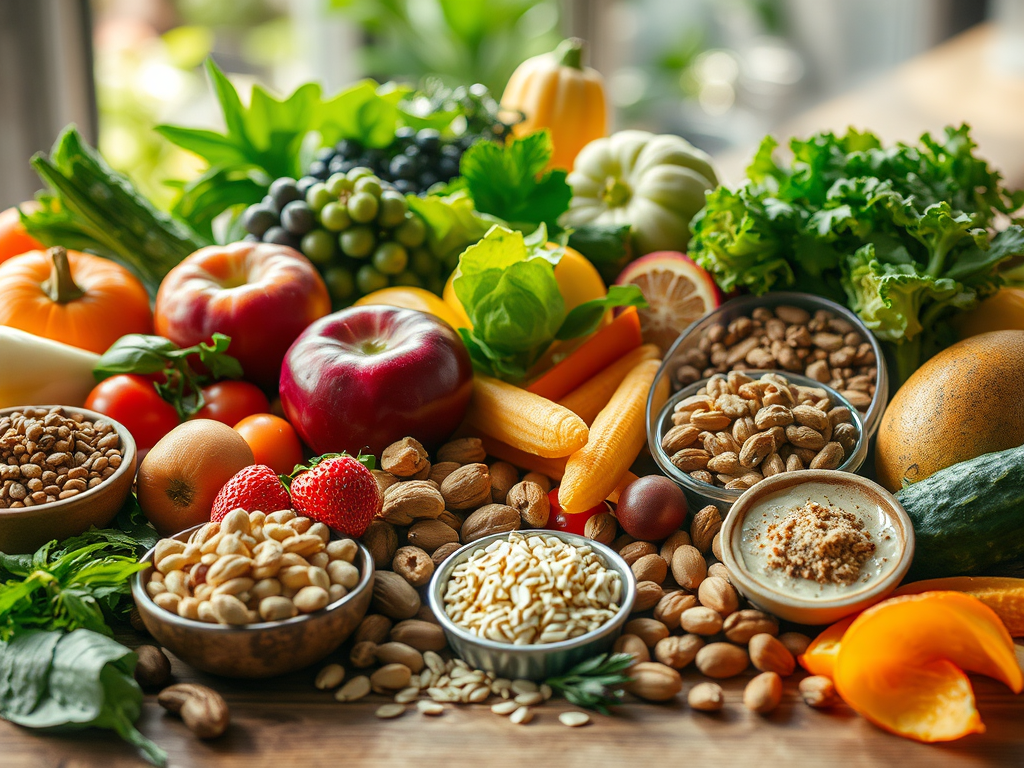
On December 19, 2024, the U.S. Food and Drug Administration (FDA) announced a significant update to the definition of the term “healthy” as it applies to food labeling. This change aims to align the “healthy” claim with current nutrition science and federal dietary guidelines, assisting consumers in making more informed food choices.
Understanding the Updated “Healthy” Claim
The term “healthy” on food packaging serves as a quick reference for consumers seeking nutritious options. Under the new FDA rule, for a food product to be labeled as “healthy,” it must meet specific criteria:
- Inclusion of Food Groups: The product must contain a certain amount of food from at least one of the recommended food groups or subgroups, such as fruits, vegetables, dairy, or proteins.
- Nutrient Limits: The product must adhere to specified limits for saturated fat, sodium, and added sugars. These limits are tailored to different food categories and are based on a percentage of the Daily Value (DV):
- Saturated Fat: Generally should not exceed 10% of the DV.
- Sodium: Generally should not exceed 10% of the DV.
- Added Sugars: Generally should not exceed 5% of the DV.
These criteria are designed to promote the consumption of nutrient-dense foods that contribute to a healthy dietary pattern.
Examples of Foods That Qualify as “Healthy”
With the updated definition, several foods now meet the “healthy” criteria, including:
- Nuts and Seeds: Recognized for their beneficial fats and protein content.
- Fatty Fish (e.g., Salmon): Valued for omega-3 fatty acids and high-quality protein.
- Certain Oils: Such as olive oil, known for heart-healthy monounsaturated fats.
- Water: Encouraged as a healthy beverage choice.
Conversely, some products that previously might have been labeled as “healthy” may no longer qualify under the new criteria, especially if they are high in added sugars, sodium, or saturated fats.
Implications for Food Manufacturers and Consumers
Food manufacturers can voluntarily use the “healthy” claim on their packaging, provided their products meet the updated FDA criteria. This update encourages the development and marketing of healthier food options, aligning product offerings with contemporary nutritional science and public health recommendations.
For consumers, the updated “healthy” claim offers a more reliable indicator of nutritious food choices, simplifying the process of selecting foods that contribute to a balanced diet. This change is part of the FDA’s broader initiative to promote healthful eating patterns and reduce the prevalence of diet-related chronic diseases.
Educational Resources and Further Information
To assist both consumers and industry stakeholders in understanding the updated “healthy” claim, the FDA has provided educational materials, including fact sheets and infographics. These resources offer detailed information on the criteria and its application, supporting informed decision-making in food choices and product development.
Conclusion
The FDA’s update to the “healthy” claim on food labeling reflects a commitment to aligning food labeling regulations with the latest nutrition science and dietary guidelines. This change is expected to positively influence public health by guiding consumers toward more nutritious food choices and encouraging the food industry to prioritize healthful product formulations.
Related links:
https://www.fda.gov/food/nutrition-food-labeling-and-critical-foods/use-term-healthy-food-labeling
 Tech and Tofu
Leave a comment