
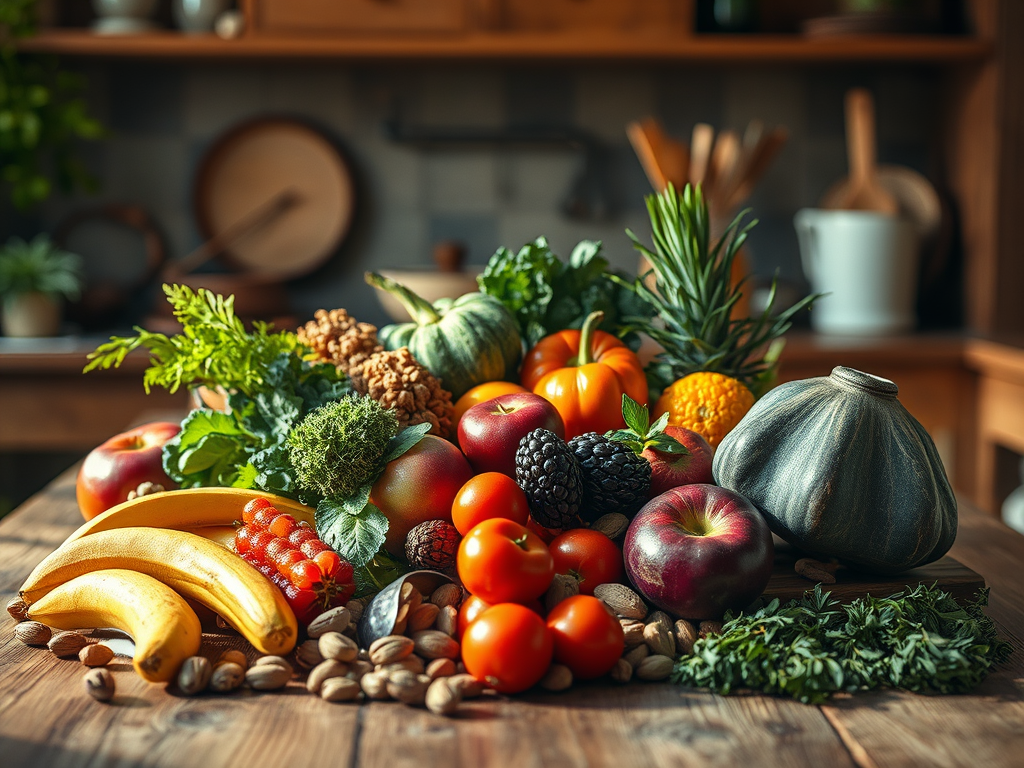
In the world of health and wellness, the saying “you are what you eat” has gained new resonance as scientific evidence increasingly points to the powerful role of food in preventing, managing, and even reversing chronic diseases. Among the diverse dietary philosophies, plant-based eating has emerged as a frontrunner for its health benefits, sustainability, and ethical appeal. But could we take this one step further and consider food—particularly plant-based food—as medicine? And what does the future hold for this paradigm shift?
This article explores these questions and delves into the possibilities that plant-based food as medicine could bring to healthcare, society, and the environment. Let’s embark on this thought-provoking journey and consider how our plates could become potent tools for healing.
The Case for Food as Medicine
The concept of “food as medicine” isn’t new. Ancient systems like Ayurveda and Traditional Chinese Medicine have long recognized the therapeutic properties of food. In modern times, a growing body of scientific research supports the idea that a plant-based diet can prevent and even treat various health conditions.
The Evidence for Plant-Based Diets in Health
- Chronic Disease Prevention and Management
Plant-based diets are associated with lower risks of heart disease, diabetes, hypertension, and certain types of cancer. A diet rich in fruits, vegetables, legumes, nuts, seeds, and whole grains is packed with antioxidants, fiber, and essential nutrients that promote health at the cellular level. - Gut Health and Immunity
The fiber in plant-based foods feeds beneficial gut bacteria, creating a healthy microbiome that plays a crucial role in immune function, mental health, and inflammation reduction. - Reversal of Disease
Studies, such as those led by Dr. Dean Ornish, have shown that plant-based diets can reverse heart disease. Similarly, research by Dr. Neal Barnard demonstrates the potential for plant-based eating to improve insulin sensitivity in diabetes.
Beyond the Physical: Mental and Emotional Benefits
Plant-based diets also support mental health. Foods like leafy greens, berries, and nuts are rich in nutrients that improve brain function and mood. A plant-based lifestyle can enhance overall well-being, fostering a connection between physical and emotional health.
Could We Label Food as Medicine?
While the health benefits are evident, labeling food as medicine sparks a broader debate. Should food be prescribed as part of medical treatments? Could this change how we view healthcare and disease management?
The Potential Benefits
- Preventive Healthcare
Recognizing food as medicine could shift the focus of healthcare from reactive treatment to proactive prevention. By empowering people to make healthier choices, the burden of chronic diseases on healthcare systems could be reduced. - Accessibility and Equity
Emphasizing plant-based diets could make healthcare more accessible by promoting low-cost, effective strategies for health maintenance. Whole, plant-based foods are often cheaper than pharmaceutical interventions. - Integration with Traditional Medicine
Food-based interventions could complement traditional treatments, offering holistic care that addresses root causes rather than symptoms.
The Challenges
- Cultural and Social Barriers
Food is deeply tied to culture, tradition, and personal preference. Advocating for plant-based eating as medicine must respect these nuances. - Economic and Industry Opposition
The pharmaceutical and processed food industries might resist a shift towards food-as-medicine paradigms, fearing profit loss. - Scientific Rigor
While evidence supports plant-based eating, the complexity of human health demands rigorous, ongoing research to ensure that dietary recommendations are evidence-based and effective.
What Are Possible Developments and Solutions in the Future?
Looking ahead, the idea of food as medicine could transform the way we approach health. Here are some potential developments and solutions that could make this vision a reality:
1. Personalized Nutrition
Advances in genomics and technology are paving the way for personalized nutrition. In the future, individuals could receive tailored dietary plans based on their genetic profiles, microbiomes, and specific health conditions. Plant-based diets, rich in diverse nutrients, could be at the forefront of this revolution.
- Imagine this: A wearable device that monitors your nutrient intake and suggests specific plant-based foods to optimize your health.
2. Healthcare Policy Integration
For food to truly be considered medicine, healthcare systems must adopt policies that integrate dietary interventions. Doctors could be trained in nutrition, and plant-based eating could become a standard part of patient care.
- Potential policy shifts:
- Subsidizing fresh produce to make healthy eating accessible.
- Including nutrition counseling in health insurance plans.
- Incentivizing farmers to grow diverse plant-based crops.
3. Food Innovation
Technology could also play a role in making plant-based foods more appealing and accessible. The rise of plant-based meat, dairy, and seafood alternatives demonstrates how innovation can cater to diverse tastes and preferences.
- The future of plant-based food innovation:
- Enhanced flavor profiles and textures.
- Nutrient-dense, functional foods designed for specific health outcomes.
4. Education and Awareness
Empowering people with knowledge is key. Public health campaigns, cooking classes, and community programs could educate individuals about the benefits of plant-based eating and how to incorporate it into their lives.
- Engagement idea:
Community gardens where individuals learn to grow and cook plant-based meals, fostering a deeper connection to their food.
5. Environmental Synergy
Promoting plant-based diets also aligns with sustainability goals. By reducing reliance on resource-intensive animal agriculture, plant-based eating supports environmental health—a critical factor for long-term human well-being.
- Vision for a sustainable future:
Urban farms and vertical gardening could bring fresh produce to cities, reducing food deserts and ecological footprints.
Call to Action: What Can We Do Today?
While systemic changes are essential, individual actions can also make a significant impact. Here are some steps to get started:
- Incorporate More Plants into Your Diet
Start with simple swaps like replacing dairy milk with almond or oat milk, or adding a plant-based meal to your weekly rotation. - Educate Yourself and Others
Read about the health and environmental benefits of plant-based eating, and share this knowledge with friends and family. - Advocate for Policy Changes
Support initiatives that promote healthier eating, such as school programs offering plant-based options or subsidies for fresh produce. - Engage in Community Efforts
Join or start a local initiative that supports plant-based living, such as a co-op, cooking group, or educational workshop.
Food for Thought
Could we truly label food as medicine? The idea challenges us to rethink how we view the role of nutrition in our lives. What if the grocery store replaced the pharmacy as the first stop for addressing health concerns? What if healthcare systems prioritized prevention through diet rather than treatment through drugs?
And as we envision the future, what role will technology, policy, and innovation play in making this dream a reality? These are questions worth pondering and debating.
Join the Conversation
What do you think about the idea of food as medicine? Is it feasible, or are there too many challenges? What solutions do you envision for making plant-based eating a cornerstone of health and wellness?
Let us know your thoughts in the comments below! Your perspective could inspire new ideas and help shape the future of food and medicine.
 Tech and Tofu
Leave a comment